Selecting safe educational toys for children is a critical decision for parents and caregivers. With countless options available, understanding how to select safe educational toys can be overwhelming. Safety should always be the priority, alongside educational value. Toys should stimulate creativity and promote learning while ensuring they do not pose hazards.
Research indicates that children learn best through play. They explore, experiment, and express themselves. Yet, not all toys are created equal. Some may contain harmful materials or small parts that can be dangerous. It's essential to choose toys that are age-appropriate and made from non-toxic materials. Look for toys that have been tested for safety standards.
In considering how to select safe educational toys, parents should also reflect on their child's interests and developmental needs. A toy that captures a child's attention can enhance engagement and learning. However, it's important to avoid trends and focus on quality. Sometimes, the simplest toys can provide the most educational value. Selecting the right toys requires careful thought and a commitment to safety and development.
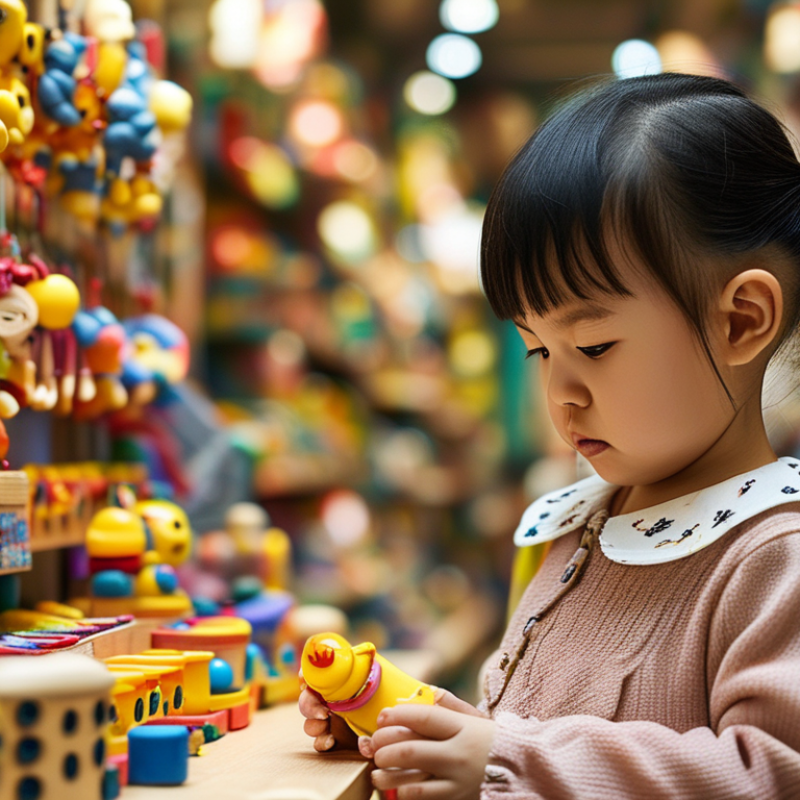
Understanding Developmental Stages to Choose Appropriate Toys
When selecting educational toys, understanding developmental stages is crucial. Babies from 0 to 12 months focus on sensory activities. Toys with different textures and sounds stimulate their exploration. According to the American Academy of Pediatrics, engaging with tactile toys can enhance motor skills. At this stage, safety is paramount. Materials should be non-toxic and free from harmful chemicals.
Toddlers aged 1 to 3 years begin to develop problem-solving skills. They enjoy toys that encourage imaginative play. Choose building blocks or shape sorters that challenge their thinking. The National Association for the Education of Young Children emphasizes that open-ended toys promote creativity. However, be wary of small parts that pose choking hazards.
As children grow into preschoolers, aged 3 to 5 years, their interests shift towards social interaction. Toys that require teamwork or role-play can enhance social skills. Research from the Harvard Graduate School of Education shows that play fosters emotional development. Yet, not every toy will meet these needs. Parents should consider their child's unique preferences and capabilities. Selection involves thoughtful reflection on what truly fosters growth and safety.
Evaluating Materials for Safety and Non-Toxicity in Toys
When selecting educational toys, evaluating materials for safety and non-toxicity is crucial. According to the American Academy of Pediatrics, about 3 million children visit emergency rooms annually due to toy-related injuries. It’s essential to choose toys made from non-toxic materials that pose minimal risk to children. Look for certifications such as ASTM or EN71, which indicate that toys meet safety standards.
Many toys are made from plastics that may contain harmful chemicals like phthalates or lead. Studies show that 94% of parents express concern over toxic substances in toys. To ensure safety, opt for toys crafted from natural materials like wood or organic cotton. These materials tend to be safer and less likely to contain harmful substances. Moreover, be wary of the finish or paint used on toys, as they can contribute to toxicity.
Explore the packaging and labels for information on material safety. Some companies provide detailed breakdowns of materials used, helping parents make informed choices. Engaging with online communities or resources can also shed light on safe toy options. It can be overwhelming to navigate, but knowledge is power. Prioritizing safety is not just about compliance; it’s about fostering a nurturing environment for children.
Safety Evaluation of Educational Toys
Checking for Age Appropriateness and Safety Ratings
When selecting educational toys, age appropriateness is crucial. Always check labels for recommended age ranges. This ensures the toy fits your child's developmental stage. For instance, toys designed for toddlers are often simple, with larger pieces to prevent choking hazards. In contrast, older children may require more complex toys that enhance critical thinking.
Safety ratings are also important. Look for certifications from recognized organizations. These ratings evaluate materials and construction quality. A high safety rating indicates that the toy has undergone rigorous testing. However, keep in mind that safety does not eliminate all risks. Occasionally, manufacturers may overlook certain hazards, so it’s wise to inspect toys for small parts or sharp edges.
Choosing safe educational toys can be challenging. Not every toy labeled “educational” is truly safe. Some may not engage children effectively. It's essential to consider both educational value and safety features. Don’t hesitate to ask for opinions from other parents or consult experts. They may offer insights into their experiences with specific toys, helping guide your choices.
Looking for Durable Design to Prevent Breakage and Hazards
When choosing educational toys, durability is key. Toys should withstand rough play and daily use. Check for sturdy materials that can handle bumps and drops. Look for toys that have no small parts. These can be choking hazards for young children. A solid design minimizes the risk of breakage and keeps children safe.
Toys with rounded edges are safer for small hands. Pay attention to the construction quality. Poorly made toys can break easily, posing risks. A well-built toy not only lasts longer but also provides a consistent learning experience. Testing the toy's resilience by applying some pressure can provide insight into its durability.
Observation is essential. If a toy shows signs of wear quickly, it may not be the best choice. Reflect on your purchasing decisions by weighing durability against cost. In education, the right toy fosters creativity and learning. The focus should always be on safety without sacrificing play value.
Researching Brands and Certifications for Trustworthiness and Quality
When selecting safe educational toys, researching brands and certifications is crucial. Studies indicate that toys with safety certifications reduce the risk of hazards. The American Society for Testing and Materials (ASTM) regularly sets high standards for toy safety. Ensuring that the toy meets these standards can offer peace of mind for parents.
Look for educational toys that display certification marks from recognized organizations. These certifications reflect rigorous testing processes. For example, toys labeled with the EN71 mark signify compliance with European safety standards. This means that the toy has undergone assessments for hazardous materials, choking hazards, and more. Awareness of these marks can guide your purchasing decisions.
Don’t forget to check online reviews and potential recalls. Sometimes, products seem safe but face issues later. An alarming report by the Consumer Product Safety Commission revealed that in 2021, over 150 toy-related injuries were documented each day. Keeping up with safety alerts can help you avoid those pitfalls. It’s essential to trust verified sources. Rely on genuine feedback from other parents and experts to make informed choices.
10 Best Tips for Selecting Safe Educational Toys
| Tip Number |
Tip Description |
Safety Certifications to Look For |
Recommended Age Group |
| 1 |
Check for non-toxic materials |
ASTM F963, EN71 |
0-3 years |
| 2 |
Look for age-appropriate recommendations |
CPSC |
3-5 years |
| 3 |
Choose toys that promote learning |
ISO 8124 |
6-12 years |
| 4 |
Avoid toys with small parts for young children |
CPSC |
0-3 years |
| 5 |
Check for sharp edges and points |
ASTM F963 |
3+ years |
| 6 |
Research the manufacturer's background |
|
All ages |
| 7 |
Read reviews from other parents |
|
All ages |
| 8 |
Ensure the toy is durable and well-made |
|
3-10 years |
| 9 |
Check for ease of cleaning |
|
All ages |
| 10 |
Look for toys that encourage imagination |
|
3+ years |
Conclusion
When considering how to select safe educational toys, it's essential to understand the developmental stages of children. This awareness helps in choosing toys that not only engage but also support their growth. Evaluating the materials used in toys is crucial; they should be non-toxic and safe for children to handle. Additionally, checking for age appropriateness and safety ratings ensures that the toys are designed to meet the specific needs of different age groups.
Another important factor is the durability of the toy's design, as sturdy toys minimize the risk of breakage and potential hazards. Finally, researching brands and certifications can provide insights into the trustworthiness and quality of educational toys, helping parents make informed decisions. By keeping these tips in mind, selecting safe educational toys becomes a more straightforward and effective process.

 OS Toys