Play is a crucial component of childhood development. Research indicates that over 80% of early childhood educators endorse play as vital for learning. However, many parents struggle with how to encourage learning through play. The challenge lies in balancing guided instruction with free exploration.
Developing thinking and social skills through play can be transformative. According to a report by the American Academy of Pediatrics, children who engage in playful learning show a 20% increase in problem-solving abilities. Yet, parents often stick to traditional teaching methods, overlooking the potential of playful experiences. This creates missed opportunities for growth.
Consider the simple joy of building with blocks. It enhances spatial awareness and encourages creative thinking. Observing children during play offers insight into their unique interests and strengths, but parents must remain patient as they experiment. Embracing the messiness of play can lead to resilience and adaptability, traits essential for lifelong learning.
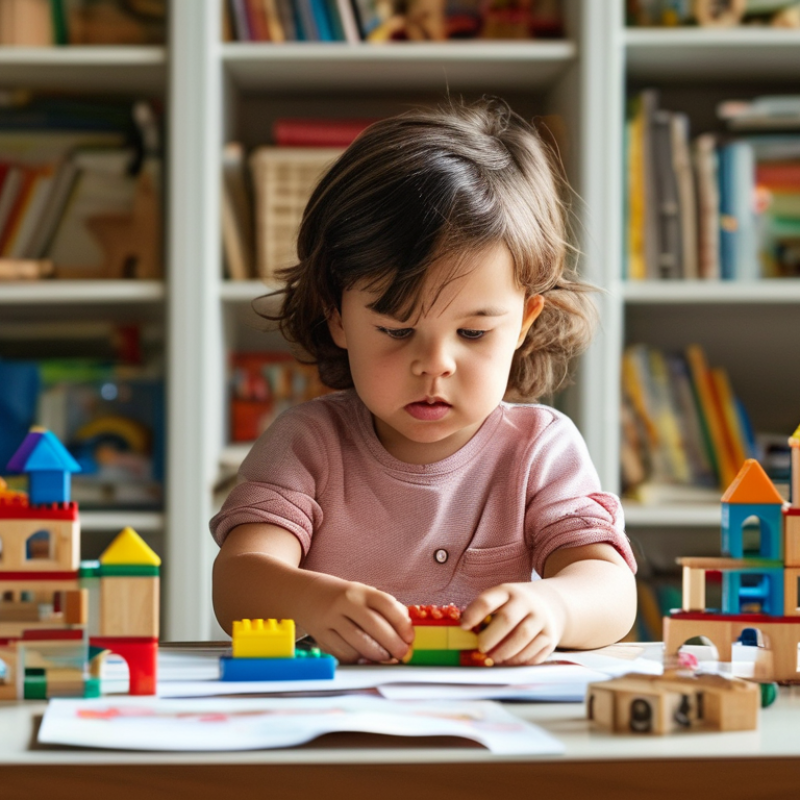
Learning through play is a fundamental approach that fosters children’s growth. This concept emphasizes the importance of engaging children in activities that are enjoyable and educational. Research from the National Association for the Education of Young Children (NAEYC) highlights that play-based learning enhances cognitive, social, and emotional development.
One significant aspect is that children learn best when they are actively engaged. According to a report by the American Academy of Pediatrics, play encourages children to experiment, explore, and create solutions. For instance, building blocks can teach spatial awareness. However, not every play encounter achieves this. Some play activities may lack structure and fail to stimulate creativity.
Additionally, when children interact in group play, social skills emerge. They learn to negotiate, share, and resolve conflicts. Yet, unstructured playtime can sometimes lead to chaos and disengagement. Balancing guided and free play is crucial. This blend fosters an environment where learning flourishes while allowing for self-directed exploration.
Play is a vital component in early childhood education. Research indicates that around 80% of brain development occurs before age three. This emphasizes the need for effective play-based learning. Through play, children develop critical thinking, problem-solving skills, and social interaction. A report by the American Academy of Pediatrics highlights that play helps enhance cognitive skills and emotional well-being.
Incorporating play into learning can be done in various ways. Simple activities like building blocks allow children to explore and create. Children learn about balance, cause and effect, and even basic math through these experiences. Yet, there can be obstacles. Some educators focus heavily on academic skills, sidelining play. This risks losing out on opportunities for holistic development. A balanced approach is essential, merging play and structured learning experiences.
The impact of play extends beyond immediate benefits. Long-term studies show that children engaged in play-based learning are more likely to succeed in school. They also exhibit better social and emotional skills as they grow. Despite these findings, play is often underappreciated in formal education settings. Reevaluating its role in curricula can reshape early education positively.
| Method | Description | Benefits | Recommended Age Group |
|---|---|---|---|
| Role-Playing | Children act out different roles and scenarios. | Enhances social skills and understanding of different perspectives. | 3-6 years |
| Building Blocks | Using blocks to create structures. | Encourages creativity and fine motor skills. | 2-5 years |
| Nature Exploration | Exploring outdoor environments and nature. | Fosters curiosity and connection with the environment. | 3-7 years |
| Art and Craft | Creating projects using various materials. | Enhances creativity and cognitive skills. | 2-6 years |
| Puzzle Games | Solving puzzles that challenge problem-solving skills. | Improves critical thinking and hand-eye coordination. | 4-8 years |
| Musical Activities | Engaging in music and dance. | Enhances rhythm, movement, and social interaction. | 2-6 years |
| Storytelling | Reading or narrating stories to children. | Imparts language skills and encourages imagination. | 3-7 years |
| Sensory Play | Activities involving touch, sight, and sound. | Stimulates sensory development and exploration. | 2-5 years |
| Cooking Together | Involving kids in food preparation. | Teaches practical skills and healthy eating. | 4-8 years |
| Experimentation and Science Play | Hands-on experiments or science activities. | Fosters inquiry skills and understanding of scientific concepts. | 5-8 years |
Encouraging learning through play requires thoughtful strategies. One effective approach is creating a rich, sensory environment. Natural materials like sand, water, and plants can spark curiosity. These elements not only engage children but also promote exploration and experimentation. Letting kids interact with their surroundings cultivates a sense of wonder.
Incorporating games that require teamwork fosters social skills. Simple activities like building a fort or playing tag allow children to negotiate and communicate. During these interactions, they learn cooperation and problem-solving. Moreover, it's important to include open-ended questions. This encourages deeper thinking and discussion among peers.
However, not every activity will resonate with every child. It's vital to observe and adapt to their interests and needs. Some might thrive in structure, while others may prefer free play.
Flexibility is key as we encourage learning. Allowing children to lead their own play can be unpredictable. It might seem chaotic at times, but this freedom can lead to meaningful discoveries. Reflecting on their experiences helps children develop critical thinking. Indeed, learning through play is not just about fun; it’s a vital process for growth.
Creating engaging play activities for different learning styles can be a fulfilling challenge. Every child learns uniquely. Some thrive in visual environments, while others excel through auditory or kinesthetic means. Understanding these styles allows parents and educators to tailor activities effectively.
For visual learners, using colorful materials can enhance engagement. Crafting sessions with vibrant paints and various textures stimulate creativity. On the other hand, auditory learners benefit from storytelling sessions where they can listen and interact. Incorporating music and rhythm in games also resonates well with them.
Kinesthetic learners require movement to absorb information. Outdoor scavenger hunts encourage exploration while promoting physical activity. Incorporate real-world challenges, like building structures with blocks. Regular reflection on these activities is vital. Adjustments may be required based on what works or doesn’t work. Not every attempt will succeed, but each one provides valuable insights for future learning endeavors.
Play is an integral part of children's development, influencing their learning outcomes significantly. Research shows that play helps improve cognitive skills, social interactions, and emotional regulation. Children learn best when they feel free to explore. When they play, they develop problem-solving skills and creativity. This connection between play and learning is vital for educators and parents to understand.
Tips for parents include providing various materials for play. Items like building blocks or art supplies foster creativity and cognitive skills. Another tip is to encourage social play. Group activities enhance teamwork and communication, essential life skills. Creating an environment that allows for both guided and free play is beneficial.
Moreover, observing your child's play can offer insights into their learning styles. Reflect on their interests and adapt the play environment accordingly. Emphasizing joy in learning through play can lead to profound educational outcomes. Notice the small changes in their interactions and skills. These moments can reveal how play shapes their understanding of the world. Balancing structured activities with unstructured playtime is crucial for holistic development.
: Learning through play is an approach that combines enjoyment with education for children's growth.
It enhances cognitive, social, and emotional development by engaging children in fun activities.
Children learn best when actively engaged in play.
No, some may lack structure and fail to inspire creativity and exploration.
It helps them negotiate, share, and resolve conflicts, enhancing their social skills.
It can lead to chaos and disengagement, so balance is crucial.
Use natural materials like sand and water to spark curiosity and exploration.
They encourage deeper thinking and discussions among children during play.
Adults should observe and adapt activities to children's interests and needs.
It can be unpredictable, but this freedom leads to meaningful discoveries and growth.
10 Best Ways to Encourage Learning Through Play" explores the significant role of play in early childhood education and its impact on children's developmental outcomes. The article begins by defining the concept of learning through play and emphasizes its importance in fostering creativity, critical thinking, and social skills.
To effectively encourage learning through play, the article outlines top strategies, including creating a supportive environment that caters to different learning styles, as well as designing engaging play activities that stimulate curiosity and discovery. Additionally, it highlights the need to measure the impact of these playful experiences on children's learning, ensuring that educators and parents can assess progress and adapt their approaches accordingly. By understanding how to encourage learning through play, caregivers can nurture resilient, inquisitive learners in a fun and dynamic way.

OS Toys