Hands-on activities play a crucial role in children's learning. Research shows that children engage more when they are actively involved. For instance, a study by the National Education Association found that students who participate in hands-on activities show a 30% improvement in retention compared to traditional methods. This raises the question: why do children learn better through hands-on activities?
Children are natural explorers. Their curiosity drives them to interact with their environment. Engaging in tactile learning helps them connect concepts to real-life experiences. According to experts, experiential learning fosters deeper understanding and allows children to apply their knowledge practically. However, not all hands-on activities are created equal. Some may lack clear learning objectives, which can cause confusion and frustration.
Moreover, children with different learning styles benefit differently from hands-on activities. Not every child may respond positively to the same experience. It’s essential to tailor activities to fit diverse needs. In this journey to understand hands-on learning, we must continually evaluate effectiveness. The goal is to create impactful learning experiences that resonate with every child, fostering a lifelong love for learning.
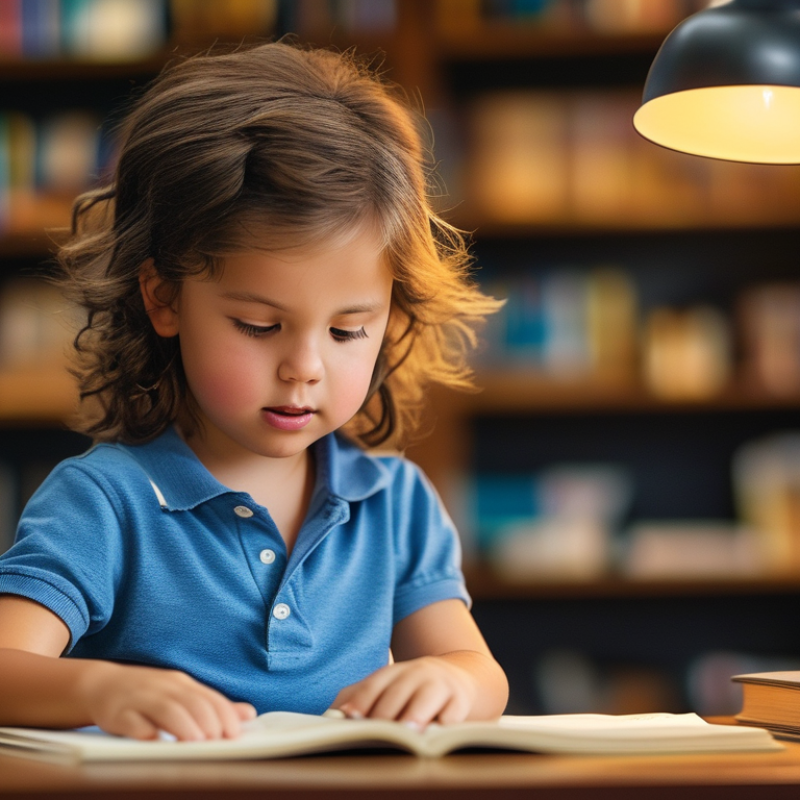
Benefits of Engaging Multiple Senses in Learning Process
Hands-on activities significantly enhance children's learning experiences by engaging multiple senses. Research from the National Association for the Education of Young Children (NAEYC) shows that children retain 75% of what they learn through direct experience. This is notably higher than the 20% retention rate associated with traditional lecture-based learning. By involving touch, sight, sound, and even taste, these activities create memorable learning moments that go beyond mere facts.
Engaging multiple senses helps children develop critical thinking skills. A 2019 study published in the Journal of Educational Psychology indicates that sensory-rich lessons promote deeper understanding. For instance, tactile activities—such as building models or conducting science experiments—allow kids to grasp complex concepts intuitively. The tangible experiences help bridge theoretical knowledge with real-world applications. However, not every child responds the same way to hands-on learning. Some may struggle to adapt initially, highlighting the need for tailored approaches in education.
Moreover, the emotional engagement achieved through these activities can boost motivation. A survey from the Educational Research Review found that learners showed a 25% increase in enthusiasm when involved in kinesthetic tasks. Yet, this enthusiasm may wane if the activities lack variety. Regular reflection on these methods is crucial for maintaining a balance between structure and creativity. By continually assessing these practices, educators can promote a more effective and inclusive learning environment.
Enhancing Cognitive Development through Practical Experience
Hands-on activities significantly boost children's cognitive development. When children engage in practical experiences, they learn by doing. Research shows that these activities enhance problem-solving skills. According to a 2021 report from the National Association for the Education of Young Children, children retain information better when they actively participate.
Engaging in hands-on learning fosters creativity and critical thinking. A study from the University of California found that students involved in experiential learning scored 20% higher in science assessments. When children build models or conduct experiments, they develop a deeper understanding of concepts. However, not all hands-on experiences are equally effective. Some may lack structure, leading to confusion rather than clarity.
Children benefit from guided discoveries. The Association for Supervision and Curriculum Development emphasizes the need for thoughtful integration of hands-on activities with curriculum goals. Unfocused activities may not yield the intended results. Thus, educators must reflect on the effectiveness of their methods and ensure that hands-on opportunities align with learning objectives. Through intentional approaches, children's cognitive development can flourish, paving the way for lifelong learning.
Fostering Creativity and Critical Thinking via Hands-On Activities
Hands-on activities ignite creativity in children. When kids engage with tangible materials, they can explore ideas in a way that textbooks can't offer. For example, building a bridge out of popsicle sticks allows them to experiment with structure and design. This kind of play fosters inventive thinking.
Moreover, these activities enhance critical thinking skills. Children must assess their work, troubleshoot problems, and make adjustments in real-time. When a project doesn’t succeed, it offers a chance for reflection. Did they choose the right materials? Was their approach effective? Such questions deepen their understanding and encourage resilience.
Incorporating hands-on learning methods often brings unpredictability. Kids may discover something unexpected, which can be disconcerting. However, this very uncertainty is a powerful teacher. It pushes them to adapt and think creatively. Ultimately, the experience reinforces their ability to think critically about complex problems.
Building Collaboration and Social Skills in Group Projects
Hands-on activities are crucial for children's learning. They foster collaboration and social skills, especially in group projects. Working together helps children learn to communicate. They express ideas, negotiate roles, and solve problems together. This interaction builds trust among peers. For example, when children build a model together, they share tasks. One child may design while another constructs. This division of labor teaches responsibility and teamwork.
During group projects, children may face challenges. They might disagree on ideas or struggle with instructions. These conflicts are opportunities for growth. Kids learn how to resolve issues through negotiation. They practice listening to diverse opinions. This environment nurtures empathy, as children understand different points of view. These experiences shape their ability to work with others in the future.
Moreover, hands-on projects often require creativity and critical thinking. Children must adapt when things don't go as planned. If their model falls apart, they must redesign it. Such problem-solving exercises prepare them for real-world challenges. The messy process of trial and error teaches perseverance. Children see that failure is part of learning. These skills are invaluable as they progress through their education and beyond.
Top 10 Reasons Children Learn Better with Hands-On Activities
Improving Retention and Understanding of Concepts through Application
Hands-on activities are vital for a child's learning experience. When children actively engage with materials, they create connections to concepts. For instance, using building blocks teaches basic math and physics. Through manipulation, kids grasp abstract ideas more easily. They see cause and effect in real time, which fosters deeper understanding.
Retention improves significantly with these activities, as children can visualize and apply what they learn. When they physically create something, they remember the process better. Experimentation in science classes offers another example. Children conduct experiments, observe outcomes, and reflect on results. This cycle reinforces understanding through tangible experiences. However, some may argue that not all learners benefit equally. Different children have unique learning styles. What works for one may not apply to another, leading to frustration.
These experiences encourage critical thinking and problem-solving. Children learn to adapt and innovate while engaging in hands-on tasks. They face challenges, fostering resilience. The unpredictability of hands-on activities means failure is part of the journey. Learning to cope with setbacks builds character and determination. Overall, hands-on learning enriches curriculum and enhances children's educational journeys.
FAQS
: They allow kids to explore ideas through tangible materials, leading to inventive thinking.
Children assess their work, troubleshoot problems, and reflect on their approach, deepening their understanding.
Reflect on their choices. Did they use the right materials? This helps build resilience.
Children learn to communicate, negotiate roles, and collaborate effectively, building trust among peers.
Conflicts may arise over ideas, but these are opportunities for negotiation and growth.
They listen to diverse opinions and see different viewpoints, nurturing understanding of others.
It encourages adaptability and creative thinking, as children face unexpected challenges.
It teaches perseverance and shows that failure is a natural part of the learning process.
By participating in group projects where they must collaborate and share responsibilities.
It prepares children to navigate real-world problems with creativity and critical thinking skills.
Conclusion
Hands-on activities play a crucial role in enhancing children's learning experiences, and understanding why do children learn better through hands-on activities reveals several key benefits. Such activities engage multiple senses, making the learning process more immersive and memorable. When children participate in practical experiences, their cognitive development is significantly boosted, as they can relate theoretical concepts to real-life applications. This approach not only aids memory retention but also deepens their understanding of the subject matter.
Moreover, hands-on activities foster creativity and critical thinking, allowing children to explore ideas and solve problems innovatively. Group projects, in turn, build collaboration and social skills, teaching children the importance of teamwork and communication. Ultimately, integrating hands-on learning in education facilitates a holistic development process, ensuring that children are not only acquiring knowledge but also developing essential skills for the future.

 OS Toys