Choosing an educational toy from China’s top manufacturers can look simple. It is not.
Parents, schools, and distributors often focus on bright colors, low prices, and impressive packaging. Those details can hide weak learning value. The real question is: what are common mistakes when choosing educational toys? Buyers may overlook age-appropriate design, small-part warnings, material quality, battery safety, and clear instructions. A colorful puzzle may still be too difficult for a four-year-old. A “STEM” kit may offer only repetitive button pressing.
Kathy Hirsh-Pasek, a respected developmental psychologist and play researcher, has said, “Play is not a luxury. Play is a necessity.” Her point matters when comparing Chinese educational toy makers. Strong products encourage children to build, imagine, solve problems, and communicate. They do not merely flash lights or produce sounds. Buyers should request test documentation, inspect sample pieces, and observe how children actually use the toy. Ask whether the toy supports independent play, guided learning, or both. Check whether the instructions match real classroom conditions.
Mistakes still happen.
Even experienced buyers can trust attractive claims too quickly. I have seen product descriptions promise creativity while offering only one fixed outcome. That should prompt reflection. A reliable manufacturer welcomes questions about materials, quality control, replacement parts, and educational goals. Price matters, but it should not replace evidence. The best choice balances safety, durability, developmental value, and genuine play experience.
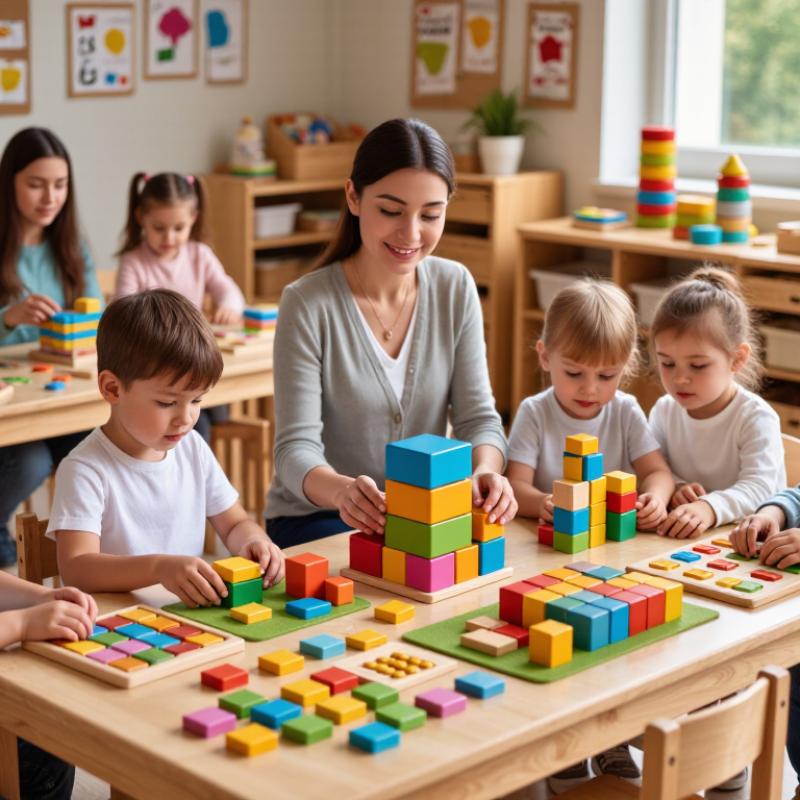
Evaluating China’s top 10 educational toy makers requires more than checking factory size or export volume. Grand View Research valued the global educational toys market at about USD 54.3 billion in 2023, with projected double-digit annual growth through 2030. That growth increases competition, but it also raises quality risks. A serious evaluation should examine material traceability, age grading, test records, and production consistency. ISO 8124 and EN 71 compliance should be verified through current, product-specific reports, not copied certificates.
Learning value matters equally. The strongest manufacturers explain which skills each toy develops, such as fine motor control, sequencing, or early numeracy. Their claims should match independent testing or classroom feedback. The OECD’s PISA 2022 findings show wide differences in student performance, reminding buyers that “educational” is not a universal outcome. A puzzle may support reasoning in one setting but frustrate children without language adaptation. Small details matter.
I would also compare defect rates, sampling procedures, packaging clarity, and response time after delivery. A polished catalog proves little. Factory audits, batch records, and corrective-action evidence are more reliable. Cost deserves careful review, too. The cheapest quote may hide thinner materials, unstable color quality, or incomplete documentation. My evaluation would not be perfect; supplier data can be selective, and third-party reports may expire. That is exactly why rankings should be reviewed annually, with evidence weighted above marketing language.
Anonymous evaluation framework based on measurable product, compliance, manufacturing, and service criteria
| No. | Evaluation Dimension | Weight | Evidence to Review | Objective Benchmark | Mistake to Avoid |
|---|---|---|---|---|---|
| 1 | Product Safety Compliance | 18% | Current third-party test reports, technical files, material declarations, and traceability records | Applicable requirements of ASTM F963, EN 71, ISO 8124, and destination-market regulations are covered by valid reports | Relying on a general certificate that does not identify the exact model, materials, or production version |
| 2 | Educational Value | 14% | Learning objectives, age grading, activity instructions, progression levels, and educator feedback | Each product has stated skills, age-appropriate tasks, clear instructions, and observable learning outcomes | Calling a toy “educational” without defining the skill or explaining how children practice it |
| 3 | Age Suitability and Usability | 10% | Age-grade rationale, child-user testing, warnings, ergonomics, and independent play observations | Instructions, components, difficulty, and foreseeable use match the stated age range | Using one age label for multiple versions with different parts, difficulty levels, or safety risks |
| 4 | Manufacturing Quality Control | 12% | Quality manual, incoming inspection, in-process controls, final inspection, defect records, and corrective actions | Documented inspection procedures exist for critical dimensions, function, appearance, packaging, and safety-related parts | Inspecting only finished cartons while ignoring component variation and process controls |
| 5 | Material and Chemical Management | 10% | Material specifications, supplier declarations, restricted-substance testing, and change-control records | Critical materials are identified and controlled against applicable chemical and heavy-metal limits | Changing paint, plastic, adhesive, or packaging suppliers without reassessing compliance |
| 6 | Design and Product Innovation | 8% | Original design records, prototype testing, intellectual-property review, and product revision history | The design solves a defined learning or play need and has documented testing before mass production | Copying a popular product without validating functionality, originality, or safety differences |
| 7 | Production Capacity and Delivery | 9% | Verified production lines, capacity plan, lead-time history, capacity allocation, and contingency arrangements | Quoted capacity is supported by equipment, labor, tooling, raw-material planning, and realistic production schedules | Accepting a capacity promise that depends entirely on undisclosed subcontractors |
| 8 | Customization and Packaging Control | 7% | Approved artwork, packaging specifications, barcode records, language review, and pilot-run samples | Every customized version receives documented approval for content, labeling, packaging, and final appearance | Treating artwork changes as administrative edits when they may affect warnings or regulatory labeling |
| 9 | Sustainability and Responsible Sourcing | 5% | Packaging composition, recycled-content claims, supplier code of conduct, and environmental records | Environmental claims are supported by material evidence, defined percentages, and traceable supplier information | Using vague terms such as “green” or “eco-friendly” without measurable supporting evidence |
| 10 | After-Sales Service and Traceability | 7% | Complaint procedure, batch coding, spare-parts policy, recall process, response records, and warranty terms | Products can be traced by batch or production date, and corrective actions are documented and actionable | Waiting for a serious complaint before creating a traceability or product-recall procedure |
| Total Evaluation Weight | 100% | Use documented evidence rather than company size, marketing claims, or product popularity alone. | |||
Reference framework: commonly applied toy-safety and quality-control principles under ASTM F963, EN 71, ISO 8124, applicable destination-market regulations, documented manufacturing controls, and evidence-based educational design review.
Review material traceability, age grading, test records, defect rates, and production consistency. Factory size alone proves little. Evidence matters more.
Request current, product-specific reports for ISO 8124 and EN 71 requirements. Check report dates, product names, materials, and test scope. Old certificates can mislead.
Ask which skills the toy supports, such as sequencing, fine motor control, or early numeracy. Compare these claims with classroom feedback or independent testing. “Educational” means different things.
Test small parts, moving joints, magnets, paint adhesion, and packaging strength. Use production samples instead of catalog photos. Hold the sample.
Confirm material suppliers, minimum order quantities, tooling ownership, lead times, and inspection stages before payment. Require written approval for production changes. Cheap materials may reduce durability.
Inspect random cartons, product counts, labels, visible defects, and package condition. Use a laboratory suitable for the destination market and product category. Sampling is never perfect.
Use numbered drawing revisions and clear acceptance limits. Share photos beside a ruler for size, color, and assembly details. Keep it written.
A new carton or adhesive can change damage rates, appearance, or safety expectations. Review every change, even during urgent production. Schedules create blind spots.
Choosing among China’s top educational toy makers requires more than comparing prices or product images. A strong manufacturer should demonstrate reliable production capacity, thoughtful educational design, consistent quality control, transparent communication, and experience with appropriate testing and safety documentation. Buyers should compare material quality, age suitability, customization capabilities, packaging standards, delivery performance, and after-sales support before making a decision. Clear evaluation criteria help identify suppliers that can provide safe, durable, and genuinely useful learning products.
A major focus should be preventing avoidable sourcing and compliance problems. Buyers often overlook unclear specifications, incomplete documentation, weak factory inspections, inconsistent samples, hidden costs, and unrealistic delivery promises. They should also ask: what are common mistakes when choosing educational toys? Common answers include selecting products based only on low prices, ignoring small parts or material concerns, failing to confirm quality requirements in writing, and relying on vague communication. Careful sampling, written agreements, production monitoring, and regular updates can reduce quality risks and support a smoother long-term partnership.

 OS Toys