Selecting the right educational toys for children can be challenging. Many parents wonder how to choose educational toys for different ages effectively. The choices can feel overwhelming. Children’s needs change quickly as they grow.
From infants to toddlers and beyond, each stage requires tailored selections. Educational toys can support cognitive development, social skills, and creativity. For example, infants benefit from toys that stimulate their senses. They need bright colors and varied textures. Meanwhile, toddlers thrive with toys that encourage physical activity and imaginative play.
As children advance, the complexity of toys should mirror their growing abilities. This process is more than just choosing items from a store. It requires reflection on a child’s interests and developmental milestones. Not every toy will be beneficial for every child. Striking a balance between fun and learning is critical. It is essential to consider quality and safety, as these factors influence a toy’s educational value.
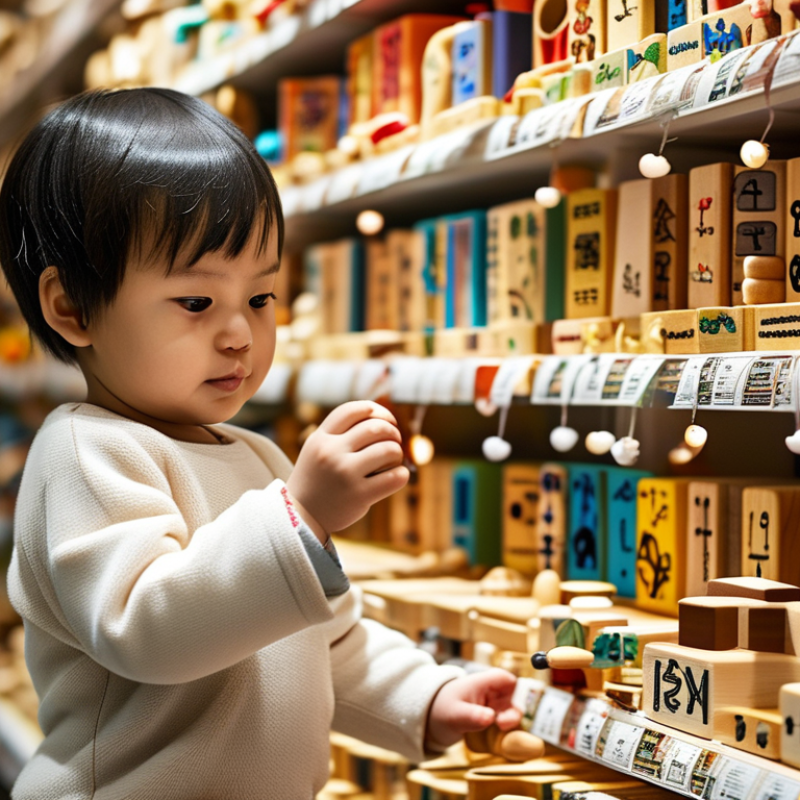
Understanding Developmental Milestones for Each Age Group
Choosing educational toys is crucial for fostering children's development. Understanding developmental milestones helps in selecting the right toys for different ages. For infants, look for toys that promote sensory exploration. Soft blocks and colorful rattles can enhance visual and tactile stimulation. During this stage, safety is paramount. Double-check materials and ensure there are no small parts.
As children grow, their cognitive and motor skills develop rapidly. Toddlers benefit from toys that encourage problem-solving and creativity. Simple puzzles and stacking toys are ideal for this age, as they enhance fine motor skills. Children often get frustrated with complex toys. It’s essential to find a balance between challenge and usability.
Preschoolers crave interaction and learning opportunities. Toys that foster social skills, like role-playing sets, are effective. Encourage open-ended play to stimulate imagination. Keep in mind, not all children develop at the same pace. Some might struggle with certain skills while excelling in others. Observing each child's unique progress is vital for tailoring play experiences that promote growth.
Identifying Educational Value in Toys: Key Criteria for Selection
Choosing educational toys for children can be daunting. Understanding the educational value in toys involves assessing several key criteria. First, consider the developmental stage of the child. Toys should be age-appropriate, promoting skills suited for their growth. For infants, toys that encourage sensory exploration are ideal. As children grow, they need toys that challenge logical thinking and creativity.
When selecting toys, think about how they stimulate problem-solving. Toys fostering critical thinking may include puzzles or building sets. Moreover, ensure the toys support physical coordination. Balance, hand-eye coordination, and fine motor skills are essential.
Tips for effective selection:
- Observe how your child interacts with different toys. This insight can guide future purchases.
- Don’t overlook safe materials. Non-toxic, durable options are vital for younger kids.
- Lastly, it’s beneficial to ask for recommendations from child development experts.
Material Safety Standards and Age Appropriateness in Toy Choices
Choosing educational toys requires careful consideration, particularly regarding material safety standards and age appropriateness. According to the American Society for Testing and Materials (ASTM), safety regulations dictate specific requirements for toys intended for children under three years old. These toys should not contain small parts that could pose choking hazards. Recent studies show that nearly 45% of toy-related injuries are due to such hazards.
Parents often overlook the significance of age-appropriate design. For instance, toys meant for older children often contain small components that younger children might find intriguing. Agencies like the Consumer Product Safety Commission highlight that toys for infants and toddlers should prioritize soft materials and bright colors, enhancing sensory exploration while minimizing risks. Research suggests that about 90% of preschool-age children engage in risky play, showing how crucial it is to select suitable toys.
Choosing safe materials is equally essential. Non-toxic plastics, organic fabrics, and natural wood are recommended. According to a report from the Toy Industry Association, many manufacturers now prioritize eco-friendly materials. Yet, not all toys meet these criteria. Parents must read labels and research manufacturers before purchasing. It’s vital to balance educational value with safety considerations to foster both learning and well-being in children.
Benefits of STEM vs. Creative Toys for Cognitive Development
When selecting educational toys, understanding the benefits of STEM versus creative toys is vital. STEM toys focus on Science, Technology, Engineering, and Mathematics. These toys encourage logical thinking and problem-solving skills. They often involve hands-on activities, stimulating curiosity in young minds. A simple building block set can teach children about balance and physics. A coding robot can introduce programming concepts in a fun way.
On the other hand, creative toys foster imagination and artistic expression. Art supplies, for example, allow children to explore colors and shapes. They develop fine motor skills and encourage storytelling. However, some parents may overlook these toys for their perceived simplicity. This is a misconception. Imaginative play can lead to significant cognitive development. It helps children learn how to express emotions and understand the world around them.
Both categories of toys hold unique benefits. Balancing STEM and creative toys can create a richer learning environment. Sometimes, kids may gravitate toward one type over the other. It’s essential to encourage a variety of play experiences. This ensures well-rounded cognitive growth. Understanding these dynamics is key in making informed choices for children's development.
Balancing Fun and Learning: Insights from Child Psychologists and Experts
When choosing educational toys, it's crucial to balance fun and learning. Child psychologists emphasize that play is a genuine way for kids to engage with the world. Educational toys should promote exploration and curiosity. They encourage children to think critically while having fun. A simple building block set can ignite a child's imagination. It promotes motor skills and spatial awareness without losing the joy of play.
Experts suggest considering the developmental stage of the child. Toddlers benefit from toys that stimulate sensory exploration. Options like stacking rings or textured balls can be ideal. For older children, toys that challenge problem-solving skills work well. Puzzles and science kits ignite a passion for learning. Yet, not every toy will resonate with every child. It’s important to observe their interests and needs. Parents should be open to trying different types of toys. This might mean making mistakes along the way. Each choice contributes to a child's unique growth journey. The objective is to create a nurturing environment where both play and learning thrive.
How to Choose Educational Toys for Different Ages Effectively? - Balancing Fun and Learning: Insights from Child Psychologists and Experts
| Age Group |
Recommended Toy Type |
Learning Benefits |
Fun Factor |
| 0-1 Year |
Soft Blocks |
Motor skills, sensory stimulation |
High |
| 1-2 Years |
Shape Sorters |
Problem-solving, hand-eye coordination |
High |
| 2-3 Years |
Building Sets |
Creativity, spatial awareness |
Very High |
| 3-5 Years |
Art Supplies |
Fine motor skills, self-expression |
High |
| 5-7 Years |
STEM Kits |
Critical thinking, engineering concepts |
Very High |
| 7-10 Years |
Board Games |
Social skills, strategy development |
High |
| 10+ Years |
Coding Toys |
Logic, programming skills |
Moderate |
Conclusion
Choosing the right educational toys for children requires a clear understanding of developmental milestones for each age group. Knowing how to choose educational toys for different ages involves recognizing the skills children are expected to develop at various stages. Key criteria for selection should include the educational value of the toys, ensuring they promote important skills while also adhering to material safety standards and age appropriateness.
Additionally, it's essential to consider the benefits of STEM toys versus creative options, as both can significantly contribute to cognitive development in unique ways. Balancing fun and learning is crucial, and insights from child psychologists emphasize the importance of selecting toys that engage children's interests while supporting their educational growth. By following these guidelines, parents can make informed decisions that foster a child's development through play.

 OS Toys