Educational toys play a crucial role in child development. They provide unique opportunities for learning and growth. Studies reveal that children who engage with educational toys exhibit enhanced cognitive skills, problem-solving abilities, and social interactions. In fact, a report from the American Academy of Pediatrics indicates that playtime with these toys can significantly improve a child's developmental trajectory.
How do educational toys help child development? These tools encourage imaginative play, stimulating creativity and emotional growth. They also promote fine motor skills, essential for tasks like writing and self-care. Additionally, educational toys foster language development through storytelling and role-playing, often considered vital in early childhood education.
While the benefits are clear, not all toys provide value. It’s essential to select age-appropriate items that challenge yet engage children. Balancing screen time with physical play is also important. The key lies in mindful selection and usage, ensuring that each toy contributes effectively to a child's developmental milestones.
Benefits of Educational Toys for Cognitive Development
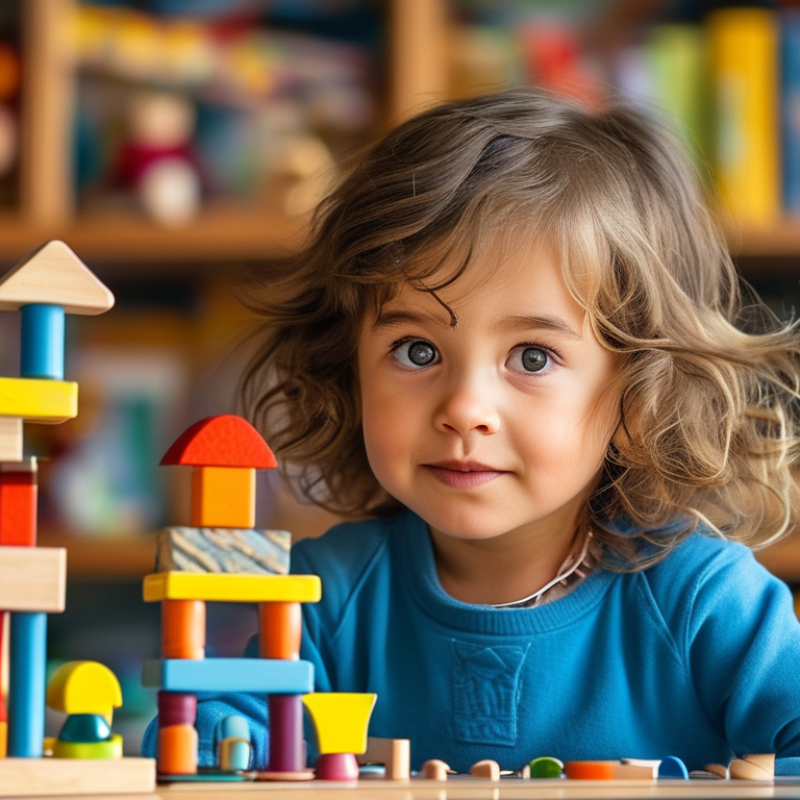
Educational toys play a crucial role in enhancing cognitive development in children. These toys encourage critical thinking and problem-solving skills. When children engage with puzzles, building blocks, or science kits, they learn to think logically. They experiment and explore, leading to a deeper understanding of the world around them. Such interactions not only strengthen their intellect but also boost creativity.
Moreover, educational toys facilitate language development. When children engage in storytelling through toys, they improve their vocabulary. They learn to express thoughts and emotions. Role-playing with dolls or action figures expands their imagination. This form of imaginative play is essential for social skills. However, it's important to remember that not all toys effectively promote learning. Quality and engagement matter.
While choosing educational toys, some parents may overlook age appropriateness. A toy too advanced can frustrate a child instead of helping them learn. Therefore, balance and reflection are key. Parents should observe their child’s interests and abilities. Trial and error can lead to discovering what sparks joy and curiosity. Ultimately, the right educational toys can pave the way for substantial cognitive growth.
Enhanced Motor Skills Through Play: The Role of Educational Toys
Educational toys play a vital role in enhancing children's motor skills through engaging play.
Interactive toys encourage actions such as grasping, stacking, and pushing. These activities help develop hand-eye coordination and fine motor skills.
According to a study by the American Academy of Pediatrics, children who engage in regular play with educational toys demonstrate improved dexterity and spatial awareness.
Moreover, educational toys stimulate problem-solving abilities. For instance, toys that require assembly or manipulation prompt children to think critically about how to achieve their goals.
Research published in the Journal of Child Development indicates that children who engage with such toys exhibit a 30% increase in problem-solving skills compared to those who don’t.
However, not all toys are created equal. Parents often struggle to select the right ones that align with their child's developmental stage.
The effectiveness of educational toys can vary significantly. Oversaturation of toys can lead to distractions rather than focus, emphasizing the importance of thoughtful selection.
Parents should choose toys that inspire creativity and offer various developmental challenges for their children.
Fostering Social Skills and Cooperation with Interactive Playthings
Interactive playthings play a crucial role in fostering social skills among children. When kids engage in cooperative play, they practice communication and sharing. This type of interaction teaches them the importance of empathy and teamwork. For instance, building a tower together encourages children to express their ideas while listening to others.
Moreover, educational toys often require children to work together to achieve a common goal. This can lead to conflict, but that's a valuable part of the learning process. Navigating disagreements helps them develop conflict resolution skills. They learn to take turns and understand different perspectives, which are essential for personal growth.
However, not all children respond the same way to interactive play. Some may struggle with social anxiety or shyness. It is vital for caregivers to create a supportive environment that encourages participation. Observing children in play can provide insights into their social development. Tailoring activities to their comfort level can help them engage more fully. This approach nurtures their social confidence while allowing room for reflection and personal adjustment.
Encouraging Creativity and Imagination via Educational Toys
Educational toys play a crucial role in nurturing a child's creativity and imagination. According to a study published by the American Psychological Association, children engaged in creative play tend to develop higher problem-solving skills. These toys encourage exploration and innovation, allowing children to experiment with different scenarios. For example, building blocks can transform simple ideas into complex structures, stimulating spatial awareness and creative thinking.
Moreover, a report by the National Association for the Education of Young Children highlights that imaginative play is vital for cognitive development. Toys that inspire role-playing, like costumes or puppets, enable children to express their thoughts and feelings. This form of play also enhances language skills and emotional awareness. However, not all toys foster creativity equally. Some toys may limit a child's imagination if they come with strict instructions or predefined outcomes.
Encouraging open-ended playtime can lead to creative breakthroughs. A child might pick up a random object and turn it into something extraordinary in their mind. This vital aspect of child development often needs reflection and reevaluation. It’s important to provide a balance between structured activities and free play, allowing children the freedom to imagine and create without constraints.
5 Ways Educational Toys Boost Child Development
| Benefits |
Description |
Examples of Toys |
| Encourages Creativity |
Educational toys stimulate imaginative play, allowing children to express themselves creatively. |
Building blocks, art supplies |
| Enhances Problem-Solving Skills |
Many educational toys require children to figure out solutions, boosting their critical thinking. |
Puzzle games, logic sets |
| Promotes Social Skills |
Playing with others helps children learn to share, cooperate, and communicate effectively. |
Board games, group activity sets |
| Develops Fine Motor Skills |
Manipulating educational toys can improve dexterity and coordination in young children. |
Construction kits, threading toys |
| Boosts Cognitive Abilities |
Educational toys that challenge the mind can enhance memory, attention, and reasoning skills. |
Science kits, memory games |
Supporting Emotional Development: How Toys Help Kids Express Feelings
Toys play a significant role in a child's emotional development. They provide an avenue for kids to express their feelings freely. Through pretend play, children explore various scenarios that help them understand their own emotions. This imaginative play can lead to deeper self-awareness. A simple doll or action figure can become a trusted confidant, helping kids articulate feelings that may be hard to express otherwise.
Tips: Encourage your child to create stories with their toys. Ask them about their character's feelings. This opens a dialogue about emotions. Use toys to role-play situations your child finds challenging.
Playing with others enhances social skills too. Board games and cooperative toys can teach kids about empathy and patience. They learn to celebrate wins and cope with losses. Every interaction is a step toward mastering emotional intelligence. However, it's important for parents to listen and reflect on their children's expressions as not all communication is verbal.
Tips: Be attentive to your child's non-verbal cues. Sometimes, their body language tells a story. Create a safe space for them to share thoughts. This will strengthen your bond and support their emotional growth.
5 Ways Educational Toys Boost Child Development
This chart demonstrates the impact of educational toys on various aspects of child development. Each area is rated on a scale from 1 to 10, indicating how essential educational toys are for enhancing cognitive skills, emotional development, social skills, motor skills, and creativity.
FAQS
: They encourage critical thinking and problem-solving skills through activities like puzzles and science kits.
They help improve vocabulary and allow children to express thoughts and emotions during storytelling.
No, not all toys promote learning equally. Quality and engagement are crucial factors.
A toy too advanced can frustrate a child, hindering their learning process.
Parents should observe their child's interests and abilities. Trial and error is key.
They enhance hand-eye coordination and fine motor skills through activities like grasping and stacking.
Yes, toys that require assembly stimulate critical thinking and problem-solving skills.
Oversaturation can lead to distractions and hinder focus on learning.
Yes, toys that inspire creativity and present various challenges can be very beneficial.
Some toys might not engage children effectively, leading to less impactful learning experiences.
Conclusion
Educational toys play a crucial role in fostering various aspects of child development. They significantly contribute to cognitive development by engaging children in activities that stimulate critical thinking and problem-solving skills. Additionally, educational toys enhance motor skills through play, allowing children to improve their hand-eye coordination and fine motor abilities in a fun and engaging manner.
Moreover, these toys encourage social skills and cooperation as children often participate in interactive play, learning to share, communicate, and work together with their peers. They also promote creativity and imagination, providing avenues for children to express themselves and explore new ideas. Finally, educational toys support emotional development by helping kids understand and express their feelings, paving the way for better emotional regulation. In summary, when considering how do educational toys help child development, the benefits are multifaceted, contributing to a well-rounded growth experience for children.

 OS Toys