In today's world, nurturing problem-solving skills in children is essential. Experts emphasize the need for effective strategies to enhance these abilities. Dr. Linda G. Johnson, a renowned child psychologist, states, "Encouraging creativity and critical thinking is vital for children’s problem-solving growth." This insight highlights the importance of a well-rounded approach.
Parents and educators often wonder, "What are the best ways to improve problem solving skills in children?" Engaging children in hands-on activities can spark their curiosity. Real-life challenges empower them to think critically. Involving them in everyday decision-making fosters independence and analytical thinking.
Moreover, encouraging open discussions about solutions cultivates a problem-solving mindset. Children learn to articulate their thoughts and perspectives through these conversations. Imperfections may arise as they explore different paths, but each stumble provides a valuable lesson. Reflecting on these experiences builds resilience, helping children face future challenges confidently.
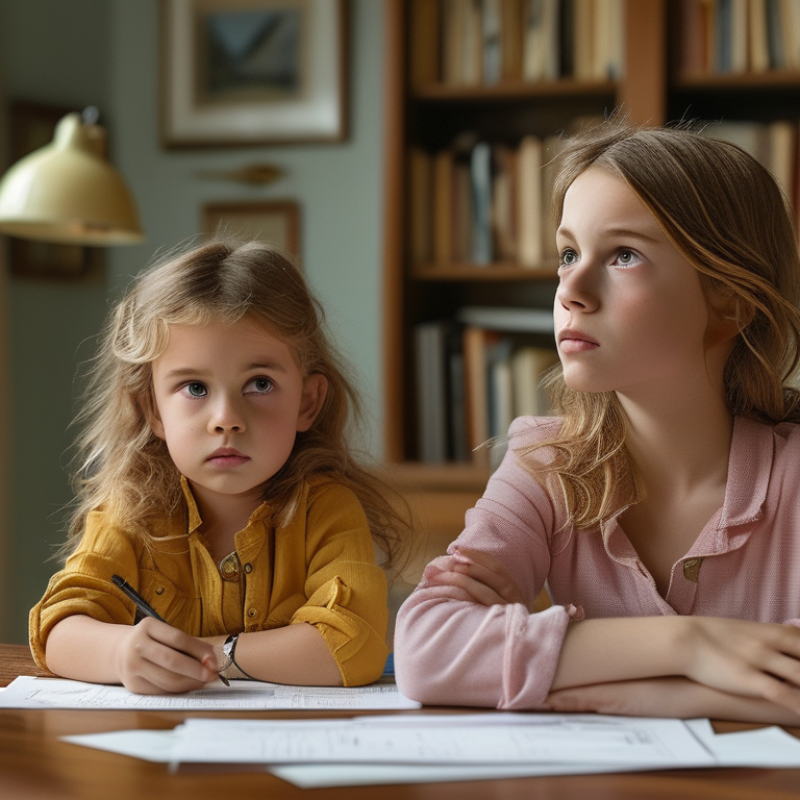
Problem-solving skills are crucial for children's overall development. They empower kids to navigate challenges in everyday life. In school, these talents enhance academic performance. Strong problem-solving abilities lead to better decision-making. Children learn to approach issues from different angles, improving their flexibility in thought.
Encouraging exploration is vital for building these skills. Allowing kids to tackle age-appropriate challenges fosters independence. Simple tasks like puzzles or building blocks can boost confidence. It's essential to guide them through their thought processes. This way, children learn how to assess situations critically. Mistakes should be welcomed as opportunities for growth.
Providing diverse experiences also enriches problem-solving abilities. Outdoor play can inspire creativity and teamwork. Group activities encourage collaboration and communication. While children may face frustration, overcoming obstacles is beneficial. Fostering a resilient mindset is key to their emotional development. Parents and educators must recognize that mastering problem-solving takes time. It's a journey filled with trial and error.
Encouraging critical thinking in children can be a rewarding journey. Open-ended questions are a great way to ignite their curiosity. Instead of asking, "Did you like the story?" try, "What do you think would happen next?" This invites children to explore their own ideas and opinions. Such questions nurture their creativity and help them think independently.
Activities also play a vital role. Crafting scenarios where children can solve problems encourages them to engage deeply. For example, ask them to design a new playground. What features would they include? This exercise fosters teamwork and critical evaluation of their choices. Sharing these thoughts with peers promotes dialogue, allowing children to refine their ideas through constructive feedback.
Reflecting on their thought processes is important too. Encourage children to explain why they made certain choices. This not only boosts their confidence but also helps them understand the reasoning behind their decisions. It's okay if they stumble; learning from mistakes is a key part of problem-solving. Each discussion nurtures their ability to think critically, equipping them for future challenges.
Games and puzzles are excellent tools for enhancing children's
problem-solving skills. They engage kids and encourage
critical thinking. Activities like jigsaw puzzles require
spatial awareness and patience. Children learn to view problems from different angles as they work to fit pieces together.
These tasks cultivate persistence, a crucial trait for any problem solver.
Board games also offer rich learning experiences. Strategy games,
like chess or checkers, challenge kids to think ahead. They must anticipate their opponent's moves and
adapt their strategies. This fosters not only logical thinking but also emotional intelligence.
Children learn how to deal with frustration and setbacks, essential for resilience.
However, it's important to consider the challenges. Some kids may feel overwhelmed by complex games.
Others might become too competitive, losing sight of the enjoyment. Balancing fun with skill development is vital.
Parents can guide children in selecting suitable activities that match their abilities and interests.
This approach ensures they remain engaged while effectively building their problem-solving skills.
Fostering a growth mindset in children is essential for developing problem-solving skills. Research indicates that children who embrace challenges demonstrate higher resilience. According to a study by the Stanford University Center for Opportunity Policy in Education, students with a growth mindset show a 34% increase in their ability to tackle complex problems. Encouraging kids to see failures as learning opportunities is crucial.
When children encounter obstacles, they often feel frustrated. It is vital for parents to guide them in reflecting on their experiences. Discussing what went wrong helps build critical thinking. A National Science Foundation report states that children exposed to reflective learning processes improve problem-solving skills by up to 25%.
Promoting a supportive environment where mistakes are openly discussed enhances learning. Children should understand that not all problems have a clear solution. This acceptance allows them to think creatively. By nurturing curiosity and perseverance, we can transform challenges into valuable lessons.
Engaging children in real-life scenarios is a powerful way to enhance their problem-solving skills. When children face realistic challenges, they learn to think critically. Situations like planning a family outing or organizing a small event help them practice decision-making. These tasks require evaluating options and considering the consequences of their choices.
During such activities, children often encounter obstacles. They might struggle with time management or group dynamics. These difficulties provide valuable teaching moments. Encourage them to reflect on what worked and what didn’t. For instance, if they forget an essential item for their outing, discussing alternative solutions fosters resilience and adaptability.
It’s important to create a safe environment where mistakes are viewed as learning opportunities. Children should feel free to express their ideas and feel heard. Engage them in brainstorming sessions to explore various solutions. By participating in real-life scenarios, children not only develop problem-solving skills but also gain confidence in their abilities.
| Method | Description | Example Scenario | Skills Developed |
|---|---|---|---|
| Role-Playing | Children act out scenarios to address challenges and practice responses. | Pretending to resolve a conflict between friends. | Communication, empathy, negotiation. |
| Puzzle Games | Solving puzzles fosters critical thinking and logical reasoning. | Completing a jigsaw puzzle together. | Analytical skills, spatial awareness. |
| Storytelling | Creating stories helps children think creatively about solutions. | Inventing a story where the hero solves a problem. | Creativity, narrative skills, problem identification. |
| Science Experiments | Hands-on experiments promote inquiry and empirical problem solving. | Experimenting with baking soda and vinegar for a fun reaction. | Analytical thinking, hypothesis testing. |
| Group Projects | Collaborating on projects teaches teamwork and flexibility in problem solving. | Working with peers to create a model of a bridge out of straws. | Teamwork, planning, resource management. |
: They help kids navigate everyday challenges and enhance academic performance.
Allow them to tackle age-appropriate challenges and guide their thought processes.
Puzzles, building blocks, and outdoor play can inspire creativity and confidence.
Mistakes should be seen as opportunities for growth and learning.
A growth mindset helps children embrace challenges and learn from failures.
They allow kids to practice decision-making and evaluate real consequences of their choices.
Reflecting on experiences builds critical thinking and improves future problem-solving abilities.
Children may feel frustration, but overcoming these challenges builds resilience.
They should encourage open discussions about mistakes and creative thinking.
No, accepting that not all problems have solutions fosters creative thinking in children.
In exploring what are the best ways to improve problem solving skills in children, it's essential to first understand the significance of these skills for their overall development. Problem solving fosters critical thinking, which can be encouraged through open-ended questions and engaging activities that prompt children to think deeply and creatively. Additionally, incorporating games and puzzles can significantly enhance children's cognitive abilities, making learning both fun and effective.
Fostering a growth mindset is also crucial, as it encourages children to embrace challenges and view mistakes as valuable learning opportunities. Furthermore, implementing real-life scenarios allows kids to practice their problem solving skills in practical contexts, promoting a deeper understanding of the concepts. By combining these approaches, parents and educators can effectively nurture strong problem solving skills in children, preparing them for future challenges.

OS Toys