Learning toys play a crucial role in a child's development, particularly in enhancing social skills. According to a report by the American Academy of Pediatrics, children who engage with interactive toys are more likely to develop communication and cooperation skills. Quality playtime offers opportunities for kids to interact, share, and negotiate—fundamental aspects of social behavior.
The question persists: how do learning toys support social skills? These toys often encourage group play, allowing children to practice teamwork and empathy. When kids play together, they must navigate different perspectives. This interaction is essential for building strong interpersonal skills. Research from the International Toy Industry Association indicates that children learn important values, such as patience and respect, through shared play experiences.
However, not all toys contribute equally. Some toys may inhibit interaction or encourage isolated play. Parents should critically assess the types of toys they provide. Engaging learning toys can create an environment where social skills flourish, but it's vital to ensure these toys are also age-appropriate. By choosing wisely, caregivers can significantly impact their child's social development, fostering essential connections that last a lifetime.
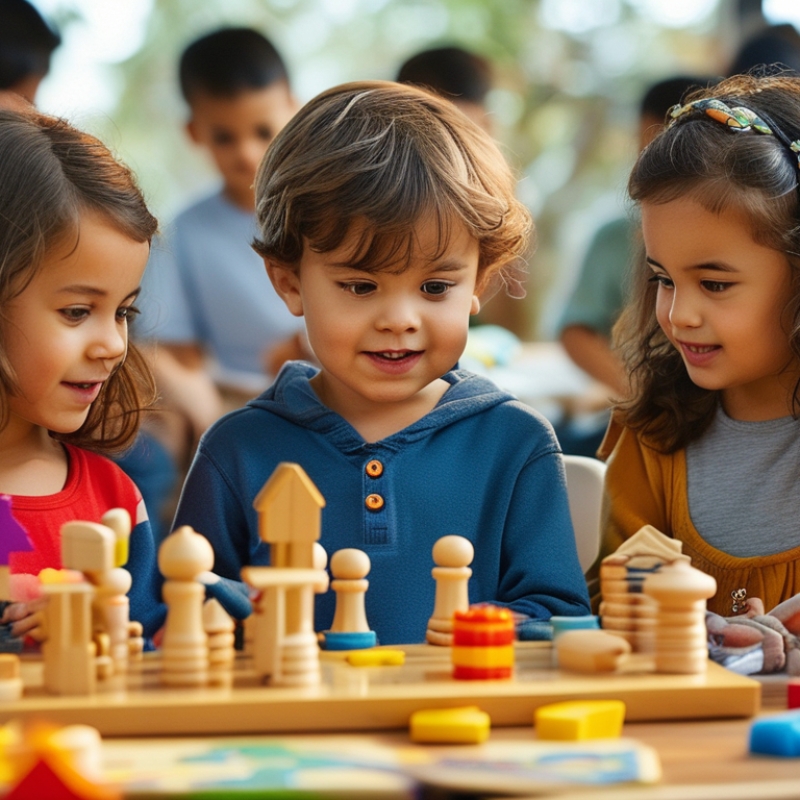
Importance of Social Skills in Early Childhood Development
Social skills are crucial for early childhood development. They help children build relationships, express themselves, and understand others. Learning toys play a vital role in this process. These toys encourage interactions among peers. They also help children practice sharing, taking turns, and empathy. Engaging with others through play can nurture these essential skills.
To foster social skills, choose toys that promote teamwork. Games that require collaboration teach children how to work together. Encourage role-playing activities, where kids can take on different characters. This not only builds their imagination but also helps them understand diverse perspectives. Additionally, set aside time for group playdates. These interactions can boost confidence in social settings.
Reflect on your child’s interactions during playtime. Notice how they respond to conflict or frustration. Discuss alternative ways to react or communicate. Encouraging reflection can lead to deeper understanding. Don't hesitate to model appropriate social behavior as well. Children learn through observation. Your own actions can teach them valuable lessons about social interactions.
Role of Learning Toys in Enhancing Communication Abilities
Learning toys play a crucial role in developing children's communication abilities. These toys encourage kids to interact with peers and engage in conversations. Through imaginative play, children express their thoughts and feelings, enhancing their verbal skills. For instance, role-playing sets allow kids to act out scenarios, which helps them learn how to share ideas and negotiate.
Moreover, learning toys often promote cooperation. Group activities with these toys teach children to listen and respond to others. They learn to take turns and solve problems as a team. Sometimes, conflicts arise during play. This is a vital opportunity for children to practice conflict resolution. Navigating these social challenges is key to building resilience.
It's important to recognize that not all children develop at the same pace. Some might struggle with communication, even with interactive toys. This can lead to frustration in both children and caregivers. Observing these moments can provide insights into each child's unique needs. Adjusting the approach can foster a more supportive environment for enhancing communication skills.
Impact of Collaborative Play on Emotional Intelligence in Children
Collaborative play is crucial for developing emotional intelligence in children. Research shows that children engaged in group play are more likely to demonstrate empathy and emotional understanding. A study conducted by the American Psychological Association found that kids involved in team activities improved their social skills by 30% over six months. They learned to express feelings and understand others better through shared experiences.
During play, children navigate various social scenarios. They learn to take turns, share, and resolve conflicts. These interactions often lead to moments of frustration and joy, which are essential for emotional growth. For instance, when a child feels left out or successfully resolves a disagreement, they gain insights into their emotions and those of their peers. A report from the International Journal of Child Development highlights that these experiences foster resilience and adaptability—key components of emotional intelligence.
However, not all play is successful in enhancing these skills. Children from highly structured environments may struggle in free play scenarios. They might feel overwhelmed or unsure about social cues. To address this, caregivers can create environments that encourage exploration and social interaction. Balancing guidance and independence in play can significantly impact emotional development, ensuring children learn to navigate both the challenges and triumphs of social interactions.
Evidence from Studies Linking Learning Toys to Social Skill Improvement
Research indicates that learning toys can significantly enhance social skills in children. A study published in the Journal of Child Development found that children who engage with interactive toys tend to display improved communication and cooperation skills. These skills are crucial for successful interactions with peers. When children play together, they learn to negotiate, share, and empathize. Such experiences are foundational for developing healthy relationships.
Moreover, a report by the American Academy of Pediatrics highlights the correlation between playful activities and social competency. Children exposed to collaborative play with learning toys showed a 30% improvement in social interaction metrics. This includes taking turns and resolving conflicts independently. However, some children may still struggle to apply these skills outside a controlled environment. It’s essential to provide ongoing guidance to help them transfer these abilities to real-life situations.
Another noteworthy finding is that children with fewer opportunities for play often lag in social development. A survey indicated that up to 40% of children missing playtime reported difficulties in making friends. This underlines the importance of ensuring access to learning toys. The link between play and social skills is clear, yet there is always room for reflection on how we can better support our children’s growth in this area.
Why Learning Toys Are Essential for Developing Social Skills?
| Study Title |
Participants |
Age Range |
Learning Toy Type |
Key Findings |
| Impact of Play on Social Interaction |
150 children |
3-5 years |
Role-playing toys |
Increased sharing and cooperation among peers. |
| The Role of Puzzles in Developing Communication |
80 children |
4-6 years |
Puzzle Games |
Enhanced verbal communication skills, improved turn-taking. |
| Collaboration through Construction Toys |
200 children |
2-4 years |
Building Blocks |
Fostering teamwork and collective problem-solving skills. |
| Interactive Games and Social Play |
100 children |
5-7 years |
Board Games |
Improved negotiation skills and conflict resolution. |
Recommendations for Selecting Effective Learning Toys for Social Skills
Choosing the right learning toys can significantly enhance children's social skills.
Look for toys that promote interaction. These include games that require teamwork or collaborative problem-solving.
Board games or building sets often encourage communication and negotiation. Engaging with peers through play can boost a child's confidence and empathy.
Observation is key when selecting toys. Notice how your child interacts with different types of play.
If they seem shy, opt for toys that require less direct competition.
Toys that involve role-playing can also be beneficial. They allow children to explore different perspectives in a safe environment.
When assessing toys, prioritize open-ended options. These encourage creativity and imaginative play.
Children can create their own rules and narratives, fostering skills like conflict resolution and cooperation.
Reflect on how a toy facilitates conversation. Avoid overly structured toys that limit interaction.
Seek out those that allow for multiple play scenarios.
FAQS
: Social skills help children build relationships and understand others. They are essential for early development.
Learning toys encourage interactions. They promote sharing, taking turns, and empathy among peers.
Choose toys that require collaboration. Games that involve working together teach important teamwork skills.
Imaginative play allows kids to express thoughts. It helps them understand different perspectives and enhances communication.
Observe your child’s interactions and discuss their responses to conflict. Encourage alternative reactions to build understanding.
Children learn through observation. Your actions can teach them important lessons about social interactions.
Recognize that not all children develop at the same pace. Adjust your approach to meet your child's unique needs.
Group playdates boost confidence. Interactions with peers help children practice social scenarios in a supportive setting.
Yes, conflicts provide opportunities for kids to practice conflict resolution, building resilience and problem-solving skills.
Observe these moments. They can offer insights into your child's needs and inform how to create a supportive environment.
Conclusion
Learning toys play a vital role in developing social skills during early childhood, as they provide children with opportunities to engage in cooperative play and enhance their communication abilities. Through meaningful interactions fostered by these toys, children can improve their capacity to express themselves, listen to others, and share ideas. Collaborative play not only bolsters their social skills but also significantly contributes to their emotional intelligence, helping them understand and manage their own emotions as well as respond to the feelings of others.
Research has shown a direct link between the use of learning toys and improvements in social skill development, highlighting their effectiveness in facilitating learning experiences. When selecting learning toys, it is crucial to choose those that encourage group play and collaborative problem-solving, as these elements are key in answering how do learning toys support social skills. By incorporating such toys into playtime, parents and educators can create an enriching environment that nurtures the social abilities necessary for children's overall development.

 OS Toys