Educational toys play an essential role in child development. They are designed to engage and stimulate young minds. Recognized expert in child psychology, Dr. Angela Baker, emphasizes their importance: "Educational toys cultivate critical thinking and problem-solving skills from a young age." This aligns with the question many parents ask: what skills can educational toys develop?
These toys not only entertain but also teach. They help children improve fine motor skills and enhance cognitive abilities. Puzzles, building blocks, and interactive games encourage creativity and collaboration. Children learn to communicate and work with others. Real-life skills, like counting and measuring, are often integrated into play.
However, not all educational toys are created equal. Some might not fulfill their educational promise. Parents must choose wisely. Engaging with children during playtime can make a significant difference. This interaction fosters deeper understanding and connection. By choosing the right toys, parents can ensure a positive impact on their child's learning journey.
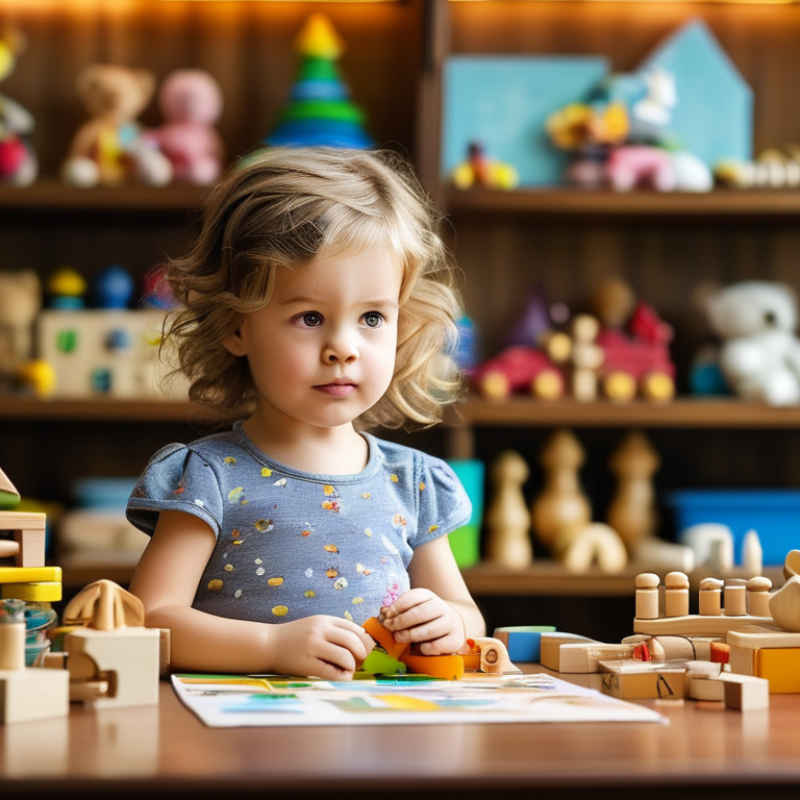
Top 10 Essential Skills Fostered by Educational Toys for Children
Educational toys play a crucial role in child development. They help children build essential skills that shape their futures. One vital skill enhanced by these toys is problem-solving. When children encounter challenges in play, they learn to think critically and work towards solutions. For example, puzzles encourage them to analyze pieces and find fitting combinations. This process cultivates patience and determination.
Another important aspect is creativity. Many educational toys, like building blocks or art supplies, inspire imaginative play. Kids can create their own worlds through construction or drawing. This urges them to express themselves and explore new ideas. However, some children may struggle initially. They might hesitate to try new concepts or may feel frustrated. This is a part of their learning journey, guiding them to embrace experimentation and learn from mistakes.
Social skills are also developed through cooperative play, where children interact and share. They learn negotiation, sharing, and empathy. These interactions can be challenging. Sometimes, conflicts arise, leading to disagreements. Navigating these situations provides valuable lessons in communication and respect. Educational toys support various skills, but they also highlight areas where kids can grow and reflect.
Cognitive Development: Enhancing Problem-Solving and Critical Thinking
Educational toys play a vital role in cognitive development for children. They encourage problem-solving skills from an early age. For instance, puzzles challenge kids to figure out how pieces fit together. These activities stimulate their minds and enhance critical thinking.
Moreover, hands-on toys engage kids in trial and error. Building blocks promote creativity but also require logical thinking. Children learn to assess which structures hold up or collapse. This experimentation helps them understand cause and effect. Such experiences can be frustrating yet beneficial.
Through play, kids confront challenges. They learn to persist despite setbacks. Educational toys can create an environment of exploration. Parents can observe as children navigate their thoughts. This process fosters confidence, as little ones realize they can solve problems on their own. It’s important to embrace the journey, as not every attempt will lead to success.
Social Skills: Building Teamwork and Communication Through Play
Playing with educational toys fosters essential social skills in children. These toys encourage teamwork as kids learn to work together towards common goals. During play, children share responsibilities and learn to communicate their ideas effectively. This interaction helps them develop trust and mutual respect among peers.
Group activities often reveal the challenges of collaboration. Sometimes, disagreements arise, leading to conflicts. These moments are teachable, allowing kids to practice negotiation and conflict resolution. Learning to listen and respond to others’ viewpoints is crucial. Even when misunderstandings occur, these experiences build resilience and adaptability.
Engaging in play offers a safe space for children to explore emotions. They express joy, frustration, or disappointment while navigating social dynamics. Each interaction provides lessons in empathy and encouragement, shaping their ability to connect with others. Through these experiences, children cultivate a deeper understanding of social norms and appropriate behaviors.
Fine Motor Skills: How Educational Toys Improve Hand-Eye Coordination
Educational toys play a significant role in developing fine motor skills in children. One of the key ways they achieve this is through activities that require precision and coordination. For instance, toys with various shapes and sizes encourage children to grasp and manipulate objects. This hands-on experience promotes hand-eye coordination, which is crucial for numerous daily tasks.
Research indicates that children who engage with educational toys improve their fine motor skills at a faster rate. A study published by the American Academy of Pediatrics found that children's hand-eye coordination can enhance by up to 25% after consistent play with interactive toys. Engaging in these activities helps children strengthen their grasp and improve their dexterity. These skills are foundational for writing and self-care tasks.
It's worth noting that not all educational toys are equally effective. Some may present challenges that frustrate children rather than entice them to play. Finding the right balance of challenge is essential. Parents often need to reflect on their choices, ensuring the toys genuinely aid skill development rather than hinder it. When thoughtfully selected, educational toys can be invaluable tools in fostering essential physical skills.
Top 10 Skills Developed by Educational Toys for Kids
| Skill |
Description |
Toys That Enhance Skill |
Age Group |
| Fine Motor Skills |
Activities involving small movements, especially with hands and fingers. |
Building blocks, stacking toys |
2-5 years |
| Hand-Eye Coordination |
The ability to synchronize visual input with motor actions. |
Ball toss games, puzzles |
3-6 years |
| Problem Solving |
The ability to find solutions to challenges or obstacles. |
Puzzle games, construction sets |
4-7 years |
| Creativity |
The ability to come up with original ideas and solutions. |
Art kits, building sets |
3-8 years |
| Social Skills |
The ability to interact and communicate with others effectively. |
Board games, role-play sets |
4-10 years |
| Cognitive Skills |
Mental processes used in thinking, learning, and memory. |
Memory games, educational apps |
5-8 years |
| Emotional Intelligence |
The ability to recognize and manage one's emotions and the emotions of others. |
Emotion cards, role-play toys |
4-9 years |
| Physical Development |
Enhancement of body strength and coordination. |
Sports equipment, balance toys |
3-7 years |
| Language Skills |
The ability to communicate effectively using spoken or written language. |
Storytelling games, phonics toys |
2-6 years |
| Critical Thinking |
The ability to analyze information and make reasoned judgments. |
Strategy games, logic puzzles |
5-10 years |
Creative Thinking: Encouraging Imagination and Innovation in Young Minds
Creative thinking is a vital skill for children. Educational toys play a significant role in enhancing this ability. They offer stimulating environments that encourage kids to explore new ideas. These toys can spark imagination and lead to innovative solutions. For instance, building blocks allow children to create unique structures. Each design can teach them about balance and symmetry in a fun way.
Tips: Encourage free play with open-ended toys. Allow children to experiment without strict guidelines. This will foster their creativity. Provide themes or challenges to stimulate their imagination. For example, ask them to build a futuristic city. This prompts innovative thinking and problem-solving.
It's important to let children make mistakes while playing. Failure is a part of the learning process. A toppled tower can lead to new designs. Reflecting on these experiences boosts resilience and adaptability. The process of trial and error is crucial in developing creative thinking. When children explore freely, they learn to trust their instincts and develop their unique perspectives.
Emotional Intelligence: Developing Empathy and Self-Regulation Through Play
Educational toys play a crucial role in fostering emotional intelligence in children. Through interactive play, kids learn to recognize and manage their own emotions. For instance, a child who uses role-playing toys may act out various scenarios, thus practicing empathy. They begin to understand how their actions affect others, which is a key component of emotional intelligence.
Self-regulation is another vital skill cultivated through play. Children encounter challenges in games, pushing them to cope with frustration. When a child loses a game, they must learn to manage their disappointment. This process is often messy and imperfect. Some may struggle to express their feelings, leading to tears or tantrums. However, these moments offer powerful lessons in self-control and emotional expression.
Play with educational toys also encourages social interaction. Group activities require communication, cooperation, and sharing. Children learn the importance of listening to others while expressing their own thoughts. Navigating these social dynamics can be tough. Disagreements may arise, prompting kids to handle conflict resolution. Each interaction builds their emotional toolkit, equipping them for future relationships.
Top 10 Skills Developed by Educational Toys for Kids
Conclusion
Educational toys play a crucial role in fostering a variety of essential skills in children. Through interactive play, these toys enhance cognitive development, promoting problem-solving and critical thinking abilities. They also encourage social skills by facilitating teamwork and communication among peers. Furthermore, educational toys contribute to fine motor skill development, significantly improving hand-eye coordination.
Moreover, they stimulate creative thinking, allowing young minds to engage in imaginative and innovative play. The emotional intelligence of children is also nurtured through these toys, as they learn empathy and self-regulation in social situations. In summary, when considering what skills can educational toys develop, it becomes clear that they are instrumental in shaping well-rounded individuals by supporting cognitive, social, motor, creative, and emotional growth.

 OS Toys