Enhancing fine motor skills in children is crucial for their development. One effective approach is through play. Toys play a vital role in this process. They offer engaging ways for children to practice and refine their movements. A report by the American Academy of Pediatrics highlights that fine motor skills are essential for daily tasks and academic success.
Dr. Sarah Johnson, an occupational therapist, states, "Toys that require manipulation can significantly enhance fine motor skills." This emphasizes the importance of selecting appropriate toys. Building blocks, stacking toys, and arts and crafts activities provide hands-on experiences. These activities allow children to explore different textures, shapes, and movements. Engaging with toys can improve hand-eye coordination and dexterity.
Moreover, the right toys can make learning enjoyable. Children are likely to explore and experiment with objects. This exploration encourages problem-solving and creativity. Despite the abundance of toys available, not all toys facilitate fine motor development. It is essential to choose toys intentionally. Consider how they align with the child's age and skill level. Finding the right balance can be challenging. However, the impact on a child's development is undeniable. Understanding how can toys improve fine motor skills is vital for caregivers and educators.
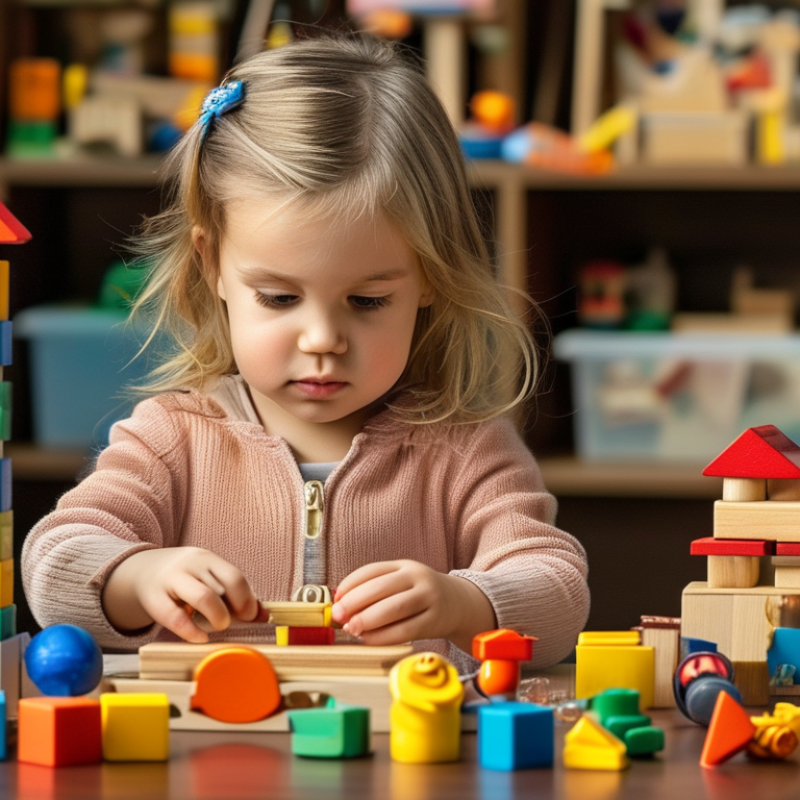
The Importance of Fine Motor Skills in Child Development
Fine motor skills are essential for child development. These skills involve the small muscles of the hands and fingers. They enable children to perform everyday tasks, such as holding a pencil, buttoning a shirt, and tying shoelaces. Mastery of these skills lays the foundation for later academic success. Children with strong fine motor skills tend to perform better in school. They can express their creativity through art and writing.
Toys play a crucial role in developing these skills. Building blocks, puzzles, and arts and crafts engage children physically and mentally. Children can practice gripping, pinching, and manipulating objects. Simple tasks like stacking blocks can be both fun and educational. It is important to choose toys that challenge children without causing frustration. Finding the right balance can be difficult.
Parents often feel torn when selecting toys. They may want to encourage creativity while also ensuring their child develops necessary skills. Providing varied options is key. Supervised playtime allows parents to observe their child's interests and frustrations. This reflection can help guide future choices. Engaging in activities together can also reinforce these essential skills and create lasting memories.
How Toys Enhance Fine Motor Skills for Children
Types of Toys That Promote Fine Motor Skill Enhancement
When it comes to enhancing children's fine motor skills, choosing the right toys is crucial. Toys like building blocks, puzzles, and art supplies can effectively engage small hand muscles. According to a report from the American Academy of Pediatrics, these activities can improve dexterity and coordination. Blocks require children to grasp, stack, and balance, promoting control.
Puzzles often demand precise finger movements to fit pieces together.
Art materials, such as crayons and scissors, allow kids to practice gripping and cutting. A study published in the Journal of Applied Developmental Psychology found that engaging in creative play significantly boosts fine motor skill development. Many caregivers may overlook the importance of simple toys, like beads.
Stringing beads not only improves fine motor skills but also fosters concentration and patience.
However, not all toys are created equal. Overly complex toys can lead to frustration. Children may find them discouraging if they cannot manipulate them easily. It's essential to balance challenge and skill level to avoid overwhelm. The key is to provide a variety of options, ensuring each child can explore at their pace while building vital skills.
How Play Activities Engage Fine Motor Skills
Play activities play a crucial role in enhancing children's fine motor skills. Engaging children with toys that promote grasping, squeezing, and manipulation can significantly boost their dexterity. According to the American Academy of Pediatrics, toddlers develop important motor skills through play. Activities like building blocks or crafting with clay help strengthen their hand muscles. These actions improve coordination essential for tasks like writing and buttoning clothes.
Research indicates that children who frequently engage in fine motor play show greater advancements in their hand-eye coordination. A study published in the "Journal of Pediatric Therapy" demonstrated that children who play with small manipulatives can improve their precision by up to 30%. Simple toys, such as puzzles, require children to fit pieces together, fostering problem-solving skills and spatial awareness.
Despite the advantages, it's critical to choose toys wisely. Not all toys are suitable for every child. Some may find complex toys frustrating rather than stimulating. Observing how children interact with their playthings can help caregivers select appropriate options. This mindful selection promotes positive experiences and aids in developmental growth. Engaging in play should always be fun and rewarding for children.
Practical Tips for Choosing the Right Toys for Skill Development
Toys play a vital role in developing fine motor skills in children. Choosing the right toys can make a big difference. Effective toys should encourage grasping, holding, and manipulating. Look for toys that require children to use their fingers while playing.
When selecting toys, consider those that have different textures. Textured surfaces can be engaging and promote tactile exploration. Puzzles, building blocks, and arts-and-crafts supplies often provide excellent opportunities for skill development. Each piece requires careful handling and coordination.
Encourage your child to engage in activities that involve pinching, squeezing, or threading. These actions require specific hand movements that enhance dexterity. The act of stacking or aligning objects can improve hand-eye coordination. Remember, the goal is to provide fun experiences while building skills. Reflect on how your child interacts with toys. Are they engaged and challenged? Choose toys that inspire creativity and problem-solving.
The Role of Parental Involvement in Toy-Driven Skill Enhancement
Parental involvement plays a crucial role in enhancing children's fine motor skills through play. Engaging with toys allows parents to foster creativity and coordination. Research shows that only 30% of children play independently without parental guidance. This suggests a significant opportunity for parents to contribute actively to their child's development.
Hands-on activities like puzzles or building blocks can refine a child's dexterity. Studies reveal that children who receive guided play show a 40% improvement in fine motor skills within six months. Parents can create a stimulating environment by demonstrating how to manipulate toys. Active participation not only improves skills but also strengthens the parent-child bond.
However, many parents may feel uncertain about how to support their child’s play effectively. They might overlook the importance of interactive playtime. A study found that families engaging in 20 minutes of focused play report higher emotional connection and skill improvement. It’s important for parents to reflect on their involvement and adapt their approach to encourage exploration and mastery.
FAQS
: Fine motor skills help children perform everyday tasks like writing, buttoning shirts, and tying shoelaces.
Toys like building blocks and puzzles encourage grasping and manipulation, enhancing children's dexterity and hand strength.
Activities like building with blocks and crafting with clay engage children and improve their coordination significantly.
Active parental engagement in play increases creativity and coordination and can lead to a 40% improvement in skills.
Parents should note children's interactions with toys to choose appropriate options that promote positive play experiences.
Yes, complex toys can frustrate some children. It's vital to find toys that provide a challenge without causing stress.
Parents can demonstrate play techniques while participating, which fosters skills and strengthens emotional connections with their child.
Parents often feel uncertain about how to engage effectively and may overlook the benefits of interactive playtime.
Reflecting on playtime experiences helps parents adjust their approaches to better support exploration and skill mastery.
Engaging in 20 minutes of focused play can enhance emotional connections and improve fine motor skills.
Conclusion
Children's fine motor skills are crucial for their overall development, influencing their ability to perform everyday tasks such as writing, buttoning shirts, and using utensils. Toys play a vital role in enhancing these skills, as various types of play activities can engage children's hand-eye coordination and dexterity. For instance, building blocks, puzzles, and arts and crafts provide opportunities for manipulating objects, which is essential in developing fine motor skills.
When considering how can toys improve fine motor skills, it is important to choose toys that promote skill-building through interactive and engaging play. Parents can play an essential role by participating in these activities, encouraging their children to explore and learn through hands-on experiences. By selecting the right toys and being actively involved, parents can effectively support their child's skill development while fostering a love for play.

 OS Toys