OS Toys
Whitepaper: The Architecture of Modern Math and Logic Toys
In the contemporary landscape of cognitive childhood development, the integration of tactile manipulation with logical reasoning has evolved from a pedagogical ideal to a core curriculum requirement. As global educational standards shift from rote memorization to active problem-solving, math and logic toys have become critical tools. The design, engineering, and manufacturing of these devices require a deep understanding of cognitive psychology, material science, and safety standards.
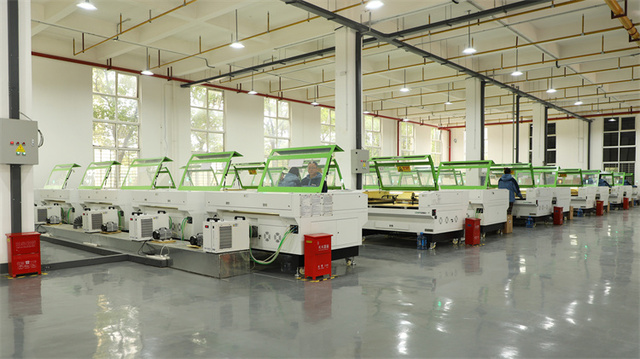
"Guangzhou OS Toys Co., Ltd. operates at the intersection of developmental pedagogy and advanced precision manufacturing, supplying custom OEM/ODM solutions to international brands, school boards, and retail chains."
1. The Neuro-Cognitive Value of Tangible Math & Logic Games
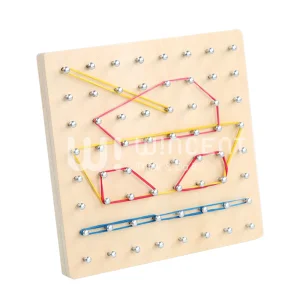
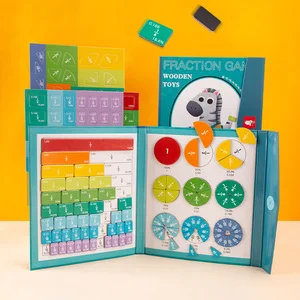
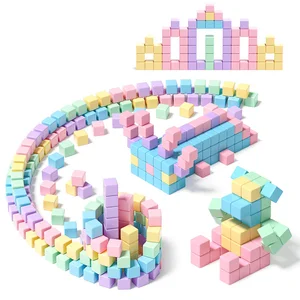
Neurological research demonstrates that spatial and mathematical thinking are linked in the developing brain. Physical objects—such as geoboards, fraction blocks, and geometric puzzles—activate spatial-working memory networks in ways that digital screens cannot replicate. When a child manipulates a Montessori Children's Fraction Math Puzzle Block, they translate abstract numeric ratios into tactile structures, cementing spatial reasoning and motor skills.
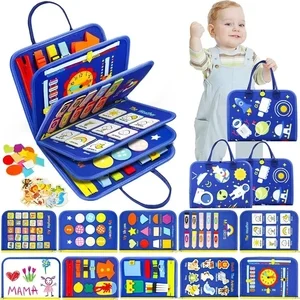
By using different textures (such as felt, wood, and food-grade silicone) and three-dimensional configurations, these toys engage multiple senses. This sensory integration is essential for early logic development, supporting spatial reasoning, problem-solving, and hand-eye coordination.
2. Global Market Dynamics and the Demand for OEM/ODM Solutions
The global market for educational toys is experiencing significant growth, driven by parents and educators prioritizing STEM (Science, Technology, Engineering, and Mathematics) disciplines. Market intelligence shows a strong shift toward open-ended toys, modular learning aids, and sensory-motor development products in North America, Western Europe, and East Asia.
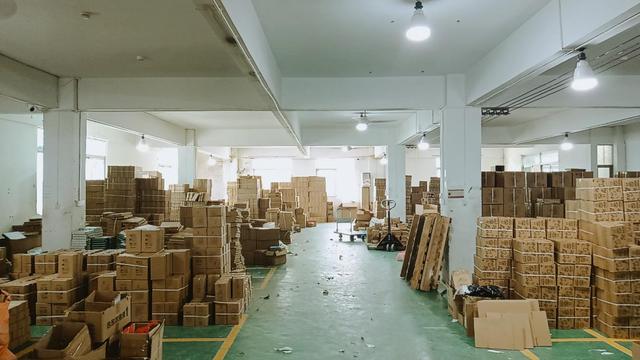
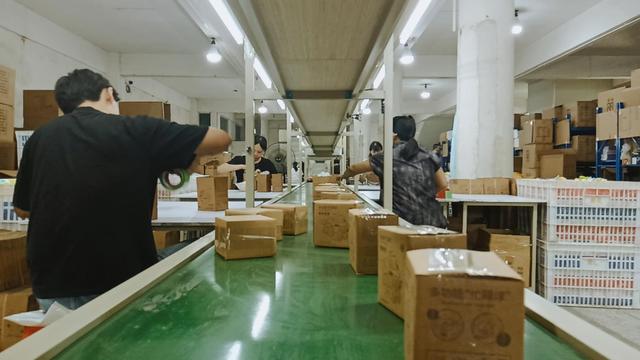
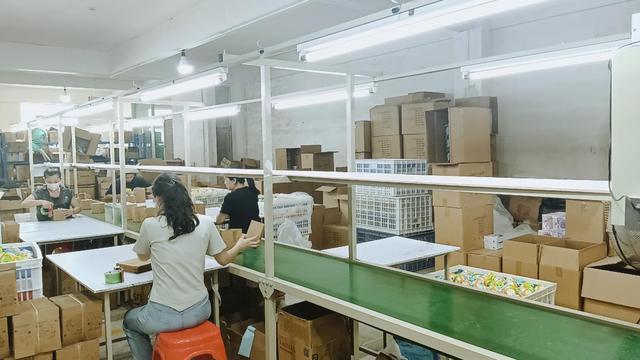
This shifting demand presents challenges for brands and distributors. They require manufacturing partners capable of rapid prototyping, strict chemical and mechanical safety compliance (including EN71, ASTM F963, and CPC), and reliable supply chains. Guangzhou OS Toys Co., Ltd. addresses this need with end-to-end OEM/ODM services, translating conceptual pedagogical designs into shelf-ready products.
3. Material Safety & Production Integrity
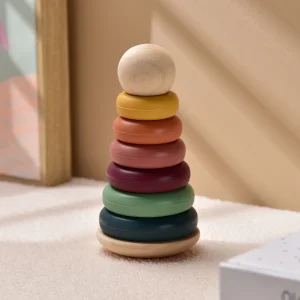
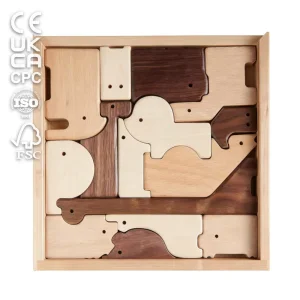
Safety is central to educational toy manufacturing. High-volume production requires careful control of raw materials. Whether sourcing sustainable FSC-certified wood for geometry patterns or food-grade silicone for infant stacking blocks, material testing must be rigorous.
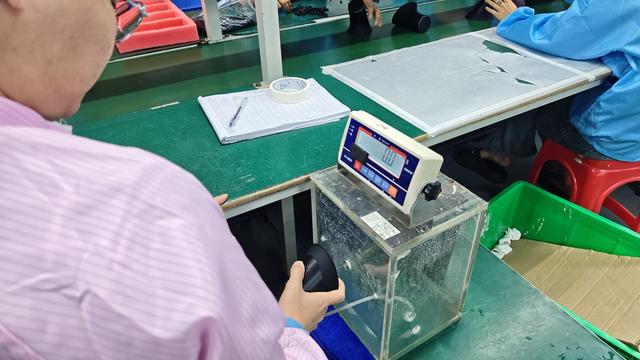
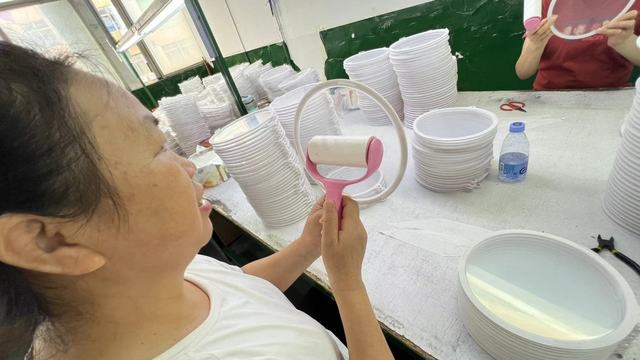
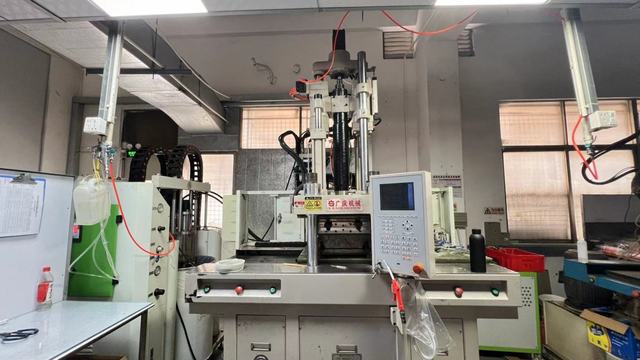
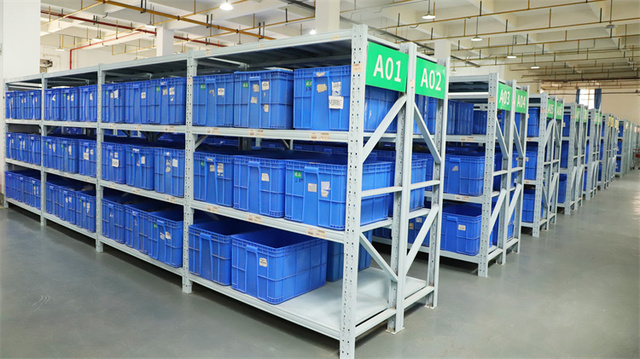
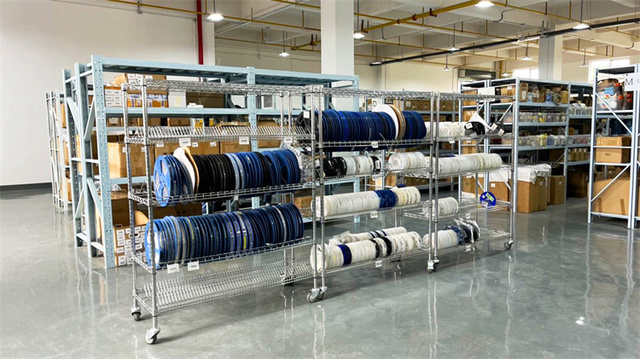
At Guangzhou OS Toys Co., Ltd., quality control is built into every step. We monitor plastic injection tolerances, ensure structural stability in multi-component toys, and check for lead-free pigments. This attention to detail protects brand reputation and ensures safety for children worldwide.