High-quality components manufactured to strict tolerances for foundational scientific instruction and cognitive development.
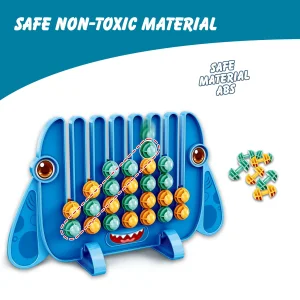
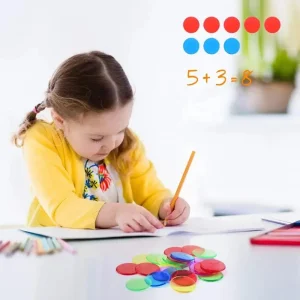
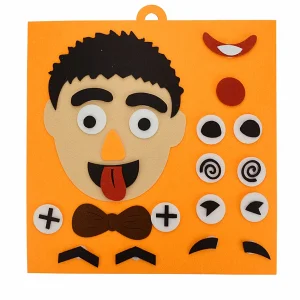
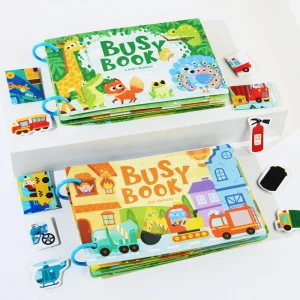
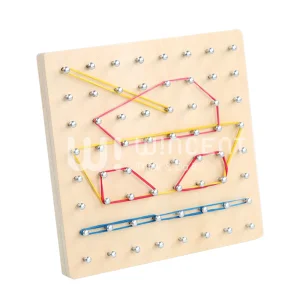
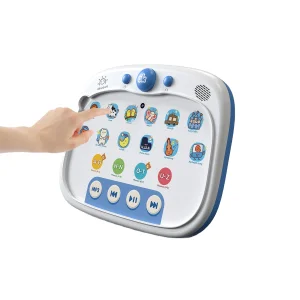
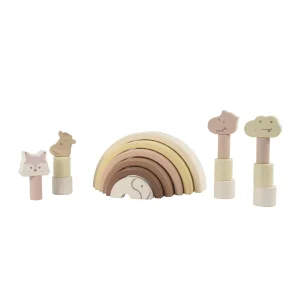
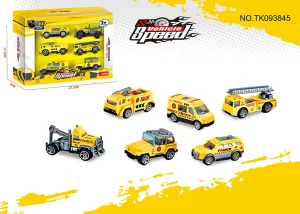
Mapping the shifting demands from physical rote learning to hands-on kinematic, electromagnetic, and structural models.
Modern pedagogical frameworks emphasize that physics cannot be effectively taught through pure abstraction. Students require tangible systems to explore concepts like gravity, torque, friction, and electromagnetic flux. High-quality physics learning materials act as concrete models of mathematical equations, translating formulas into tactile feedback that cements intellectual concepts.
Educational institutions are replacing old-style lecture formats with interactive inquiry modules. Classrooms require products built to handle continuous student manipulation. The synthesis of sensory feedback and STEM education—from preschool Montessori spatial boards to advanced high school kinetic structures—accelerates spatial reasoning and logical deduction.
The global educational market is highly governed by chemical and mechanical safety regulations. Top-tier manufacturers must integrate rigorous product testing pipelines, verifying compliance with EN71, ASTM F963, REACH, and California Proposition 65, while prioritizing eco-friendly materials and bio-based plastics.
Certified Non-Toxic Materials
Exporting Countries & Regions
OEM & ODM Manufacturing Experience
Standard Quality Control Systems
Understanding the technical, economic, and logistical standards required by modern educational distributors.
Distributors and educational buyers face heavy fines if imports fail safety guidelines. Sourcing from factories like Guangzhou OS Toys Co., Ltd. ensures that items—whether wooden geoboards or AI learning machines—undergo physical safety inspections and chemical screens to prevent BPA, heavy metals, and phthalate contamination.
Products deployed in school environments face high mechanical stress. High-grade polymers, heavy-duty magnets, and double-sided laminated paper materials are vital. Industrial-grade injection molding and precise assembly techniques are mandatory to prevent micro-fractures, securing long-term product life cycles.
Wholesale procurement requires reliable delivery lead times, dynamic container configurations, and private label flexibility (OEM/ODM). Modern suppliers must offer seamless CAD prototyping, Rapid CNC modeling, and adaptive packaging options to optimize container volume usage and reduce international shipping costs.
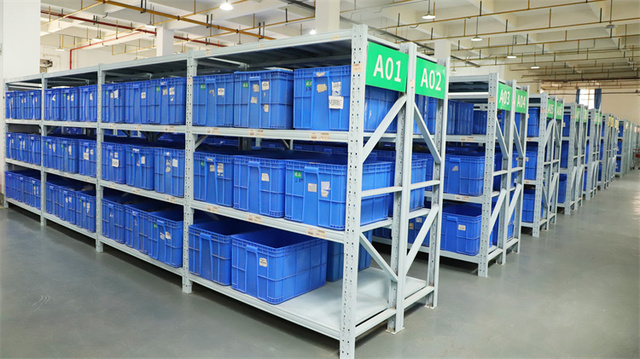
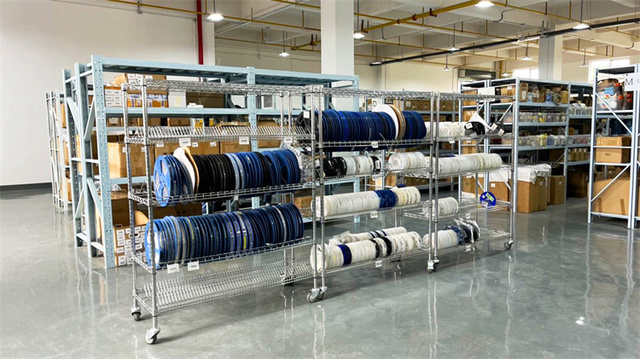
Inside the production facility of Guangzhou OS Toys Co., Ltd. — translating technological precision into reliable physical learning tools.
Guangzhou OS Toys Co., Ltd. stands as a premier educational toy manufacturer in China, specializing in STEM, Montessori learning systems, and early cognitive development materials. Operating out of the industrial core of southern China, our facilities rely on automated systems to ensure highly consistent dimensions, safety, and learning value for international markets.
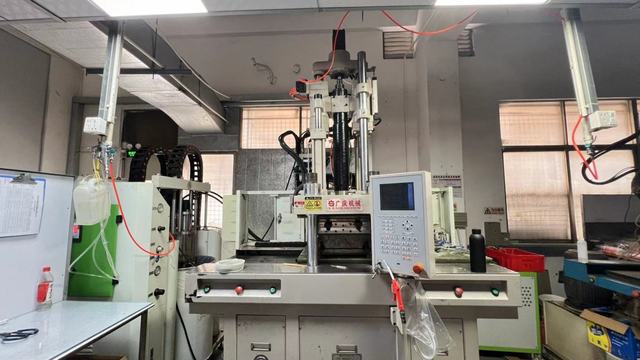
To produce durable educational models, we use automated injection machines that guarantee part tolerances down to 0.05mm. This high precision is essential for gear systems, magnetic blocks, and structural building kits, ensuring that components connect easily and hold together during classroom experiments.
Our Montessori wood components are made from sustainably sourced beechwood, birch, and pine. We use computerized sanding tools and water-based, non-toxic clear coatings to protect the wood's structural integrity while ensuring smooth surfaces for children's hands.
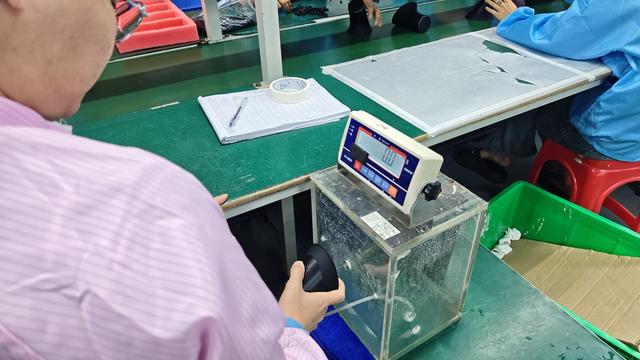
As classroom materials incorporate more technology, our cleanroom electronics lines produce smart talking cards, vocal translation devices, and responsive robotics. Each electronic component undergoes strict electrostatic discharge (ESD) safety tests and functional testing.
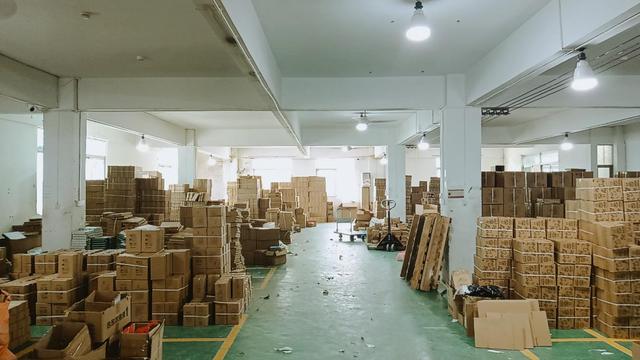
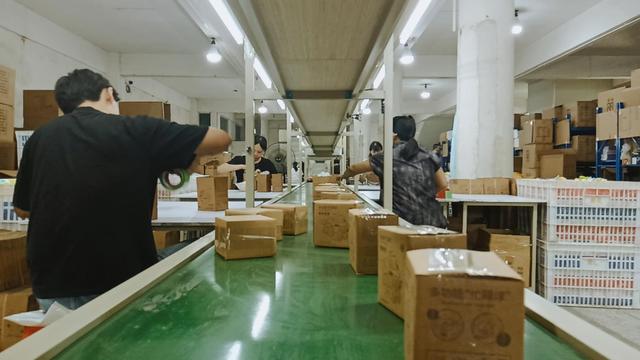
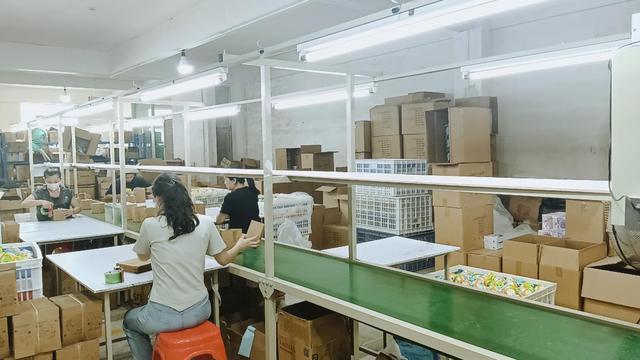
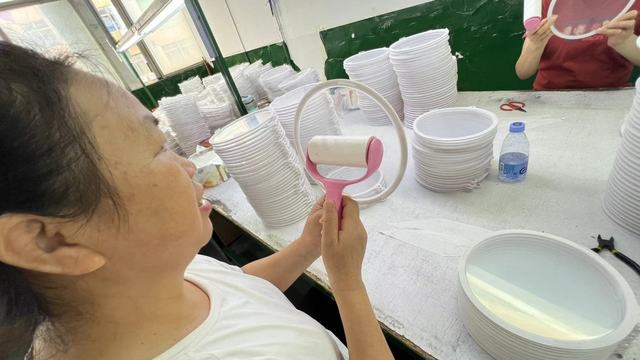
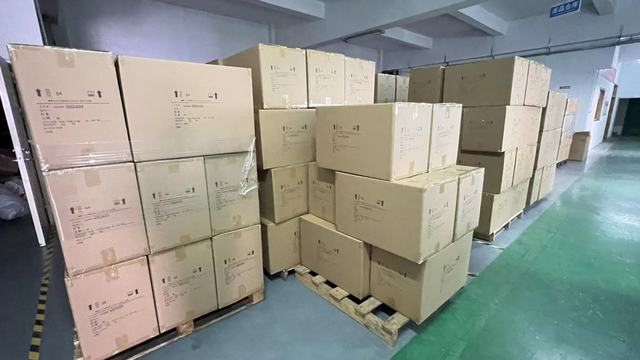
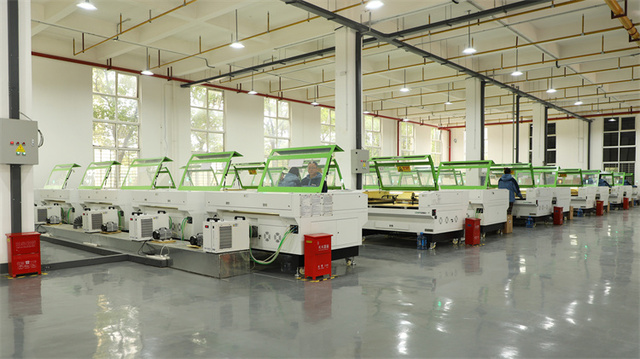
Real photos showcasing our manufacturing plant, warehouse, quality check departments, and packaging lines.
How distinct institutions and consumer segments utilize physics-based tactile materials.
Physics learning materials are primary tools for classroom demonstration. By using physical gears, circuits, dynamic boards, and interactive tools, teachers can easily explain dry concepts, encouraging collaboration and critical thinking.
For children aged 1 to 6, physics concepts are introduced as basic mechanics. Geoboards, balanced stacking puzzles, and textured building kits build spatial awareness, hand-eye coordination, and fine motor control.
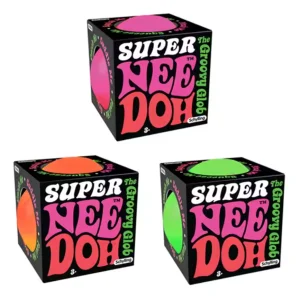
For children with autism or ADHD, physical learning materials provide a safe sensory output. Plush sensory toys and structured tactile boards help support focus and self-regulation while teaching basic spatial concepts.
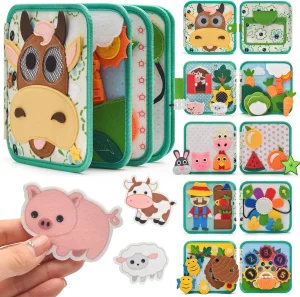
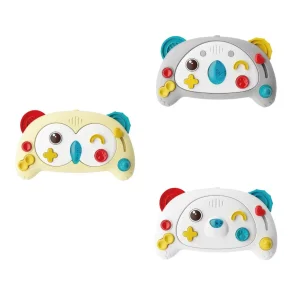
From foundational sensory toys to advanced interactive smart assistants, browse our global export catalog.
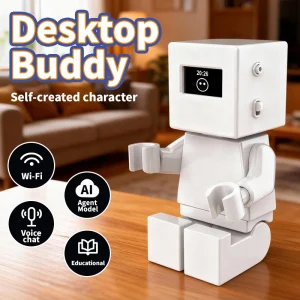
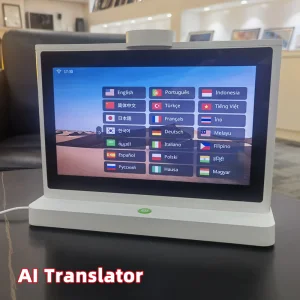
Insights into the evolution of global educational procurement standards.
The market for physics educational toys and tools is experiencing rapid transformation, driven by massive investments in STEM curricula across North America, Europe, and Asia. Government mandates globally call for more student-led experiments, creating opportunities for suppliers who can balance cost and durability.
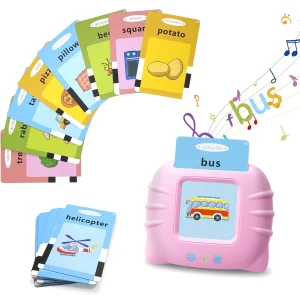
We see strong growth in hybrid physical-digital models. Products that combine real-world mechanics (gears, pulleys, lenses) with companion software or screen-free auditory systems, like smart card learning modules, help kids build intuitive associations between action and physical principles.
Additionally, sustainability is no longer optional. Leading distributors now require educational wooden toys to carry certified chain-of-custody credentials. Minimizing plastic packaging and prioritizing organic coatings are critical steps to entering competitive institutional tender processes.
Answers to technical and logistical questions from distributors and enterprise buyers.
All items produced by Guangzhou OS Toys Co., Ltd. undergo third-party laboratory verification. We maintain compliance with European EN71 standards, American ASTM F963, and standard safety testing (including phthalate levels, lead content, and sharp edge hazards) to guarantee safe entry into international markets.
Standard OEM and ODM projects typically require 30 to 45 days, depending on tooling and electronic customization needs. We provide full support through design modeling, functional prototyping, custom packaging design, and sample production steps before final bulk manufacturing.
Yes. We specialize in custom product configurations. We can customize wood thickness, modify component dimensions, replace plastic elements with bio-based materials, and add custom silkscreen branding to meet specific educational tender requirements.
From our headquarters in Guangzhou, we coordinate ocean, air, and multi-modal transport. We handle export customs clearances, provide detailed packaging sheets to optimize shipping containers, and offer direct shipping services to help you manage seasonal demand swings.
 OS Toys