OS Toys
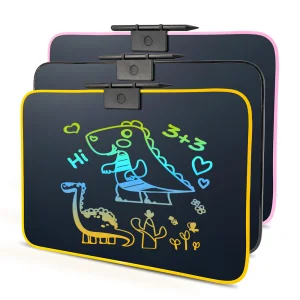
White Paper: Scaling Educational Excellence via Creative Learning Toy Supply Chains in Chile
In the evolving terrain of global education, the intersection between cognitive development science and industrial manufacturing efficiency has become a critical node for growth. The Chilean educational market is undergoing a structural transformation. Driven by initiatives from the Ministerio de Educación (Mineduc), such as the *Programa de Integración Escolar (PIE)* and increased public funding for early childhood systems like *JUNJI (Junta Nacional de Jardines Infantiles)* and *Fundación Integra*, there is an unprecedented surge in demand for high-integrity, scientifically backed learning tools.
For educational distributors, retailers, and institutional procurement departments in Santiago, Valparaíso, Concepción, and beyond, securing a reliable, direct manufacturing partner is no longer just a purchasing decision—it is a strategic necessity. This white paper outlines the macroeconomic trends, domestic regulatory environments, technological integrations, and logistical channels that govern the importing of high-quality creative learning toys from China to Chile.
1. The Socio-Economic Landscape of Educational Toys in Chile
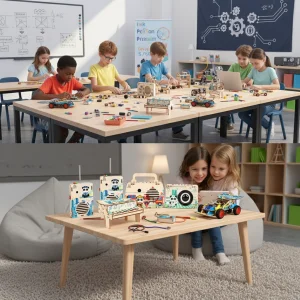
Chile remains one of Latin America's most stable and progressive economies, with a GDP structure that increasingly prioritizes human capital development. Over the last decade, public and private sectors in Chile have shifted their developmental paradigms toward fostering STEM (Science, Technology, Engineering, and Mathematics) and STEAM frameworks. Modern research indicates that Chilean educational buyers are demanding tools that assist in fine motor skills, logical deduction, algorithmic thinking, and sensory integration.
This change is spurred by a shift in consumer behavior. The rising Chilean middle class demands alternative learning options to digital devices, reflecting global concerns over screen time and childhood focus deficits. Consequently, tactile learning mediums like Montessori sensory kits, magnetic tiles, and physical wood puzzle assemblies are experiencing double-digit market growth rates year-on-year.
| Market Channel | Target Audience in Chile | Primary Product Demands | Compliance Priority |
|---|---|---|---|
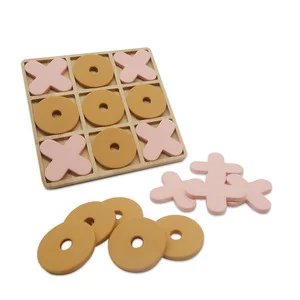
| JUNJI & Integra | Public Nursery & Kindergarten | Montessori Wooden Toys, Sensory Tiles, Eco-friendly blocks | EN71, NCh 3251, Non-toxic raw materials |
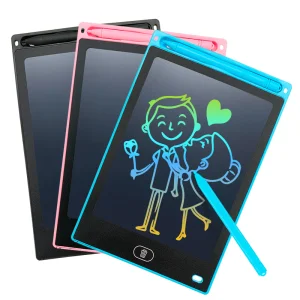
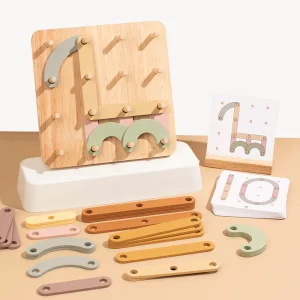
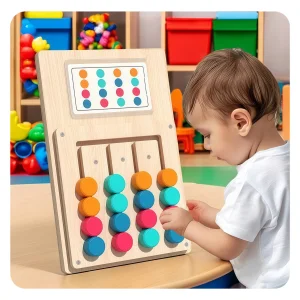
| PIE Programs | Special Education & Therapy Centers | Tactile boards, Fine Motor skill toys, LCD Tablets | Ergonomics, Hypoallergenic finishes |
| Private School Chains | Billingual & Elite Academies | Advanced DIY Robotics, Coding blocks, STEM Kits | High durability, curriculum alignment |
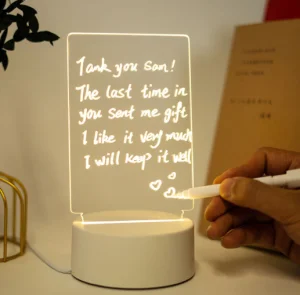
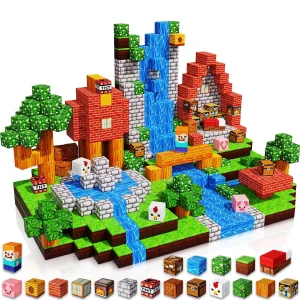
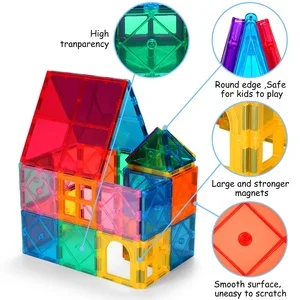
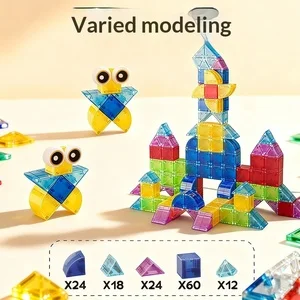
| Retailers & E-commerce | General Public via Falabella, Paris, Ripley | Magnetic Building Tiles, Creative LED night-boards | Attractive packaging, retail shelf certifications |
2. Macro & Micro Regulatory Compliance for Toys Entering Chile
Importing toy merchandise into Chile requires compliance with rigorous safety rules overseen by the Instituto de Salud Pública (ISP) and the Customs administration (Aduanas de Chile). The primary standard is the Chilean Supreme Decree No. 114/2005 (Reglamento sobre Seguridad de los Juguetes), which mandates precise labeling, physical stability testing, and chemical composition analysis.
- Heavy Metal Limitations: Strict limits on lead, cadmium, mercury, and chromium migration. Toys must undergo laboratory verification using standardized testing methods aligned with European EN71 and American ASTM F963 standards.
- Phthalate Constraints: Plasticized polymers, especially in soft plastic products, must demonstrate non-phthalate plasticizers to ensure the safety of toddlers who might put products in their mouths.
- SEC Certification: For toys utilizing electrical power, batteries, or USB charging (like our LCD writing boards or electronic robotics kits), compliance with the *Superintendencia de Electricidad y Combustibles (SEC)* is mandatory. Products must undergo certification schemes to ensure insulation safety and battery stability.
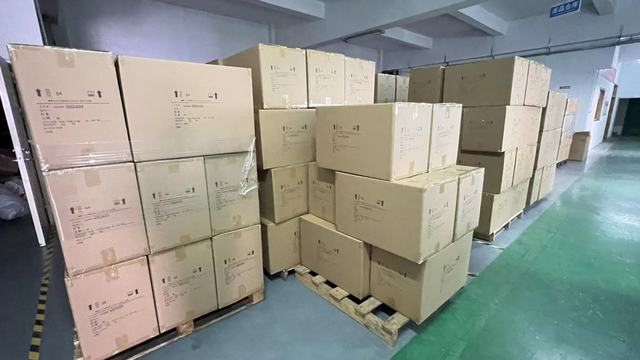
Guangzhou OS Toys Co., Ltd. ensures that all export shipments destined for Chile are backed by compliant certification files. By conducting pre-export batch testing at certified laboratories (SGS, TUV, Intertek), we eliminate import risks at ports of entry like San Antonio and Valparaíso.
3. The Industrial Superiority of Guangzhou OS Toys Co., Ltd.
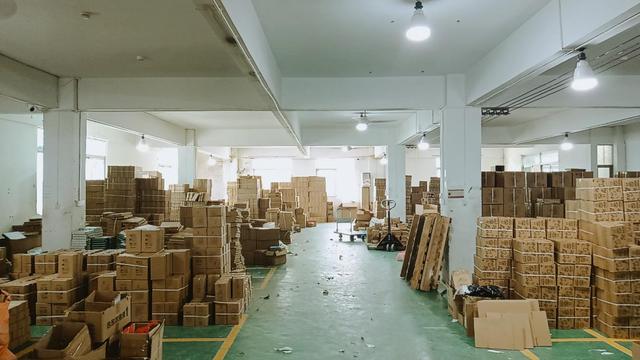
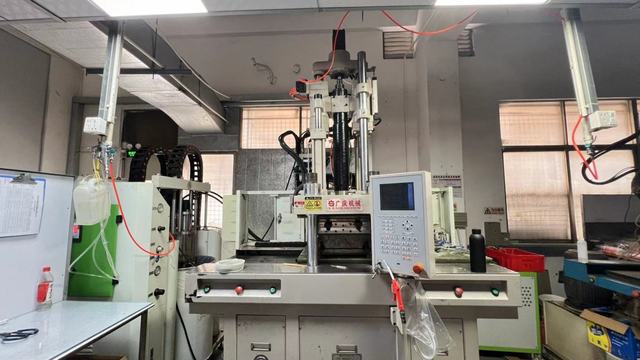
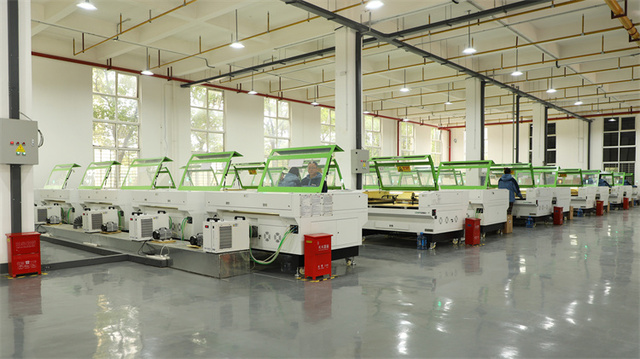
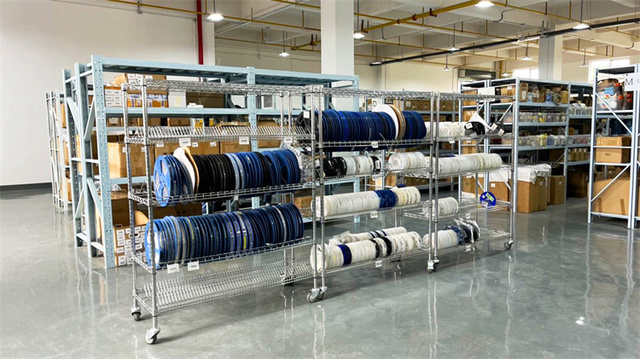
Based in the manufacturing heart of Southern China, Guangzhou OS Toys Co., Ltd. represents the peak of supply-chain optimization, combining scale, technology, and engineering precision. While domestic South American manufacturers face high raw material costs and limited automated molding capacities, our Guangzhou facility utilizes:
- High-Speed Automated Injection Molding: Ensuring precise measurements with tolerance limits under 0.05mm, crucial for magnetic blocks and interlocking puzzles to align perfectly.
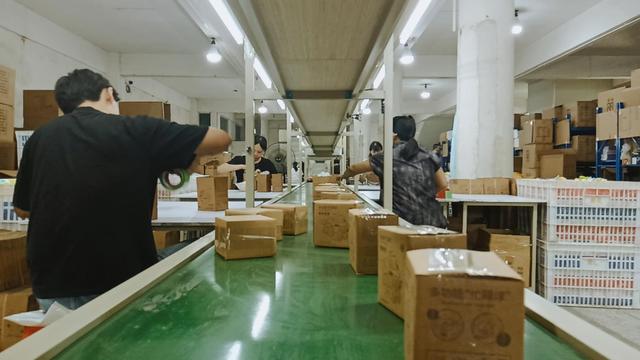
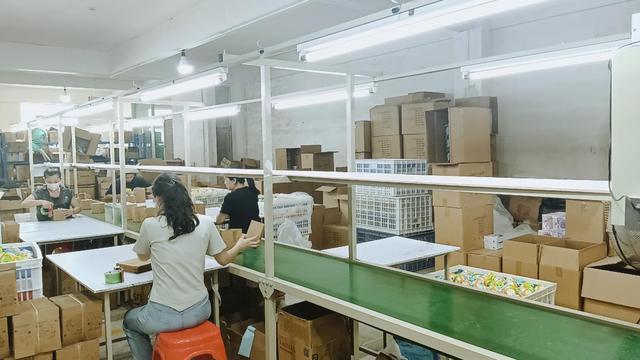
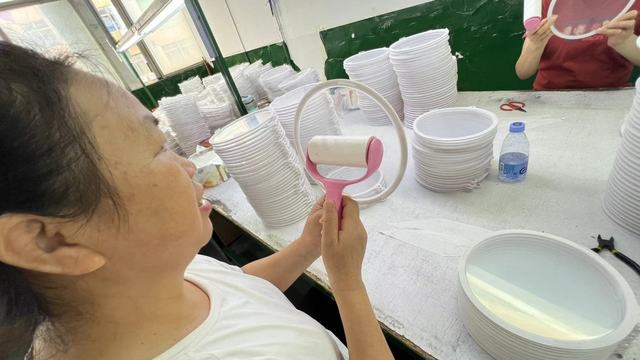
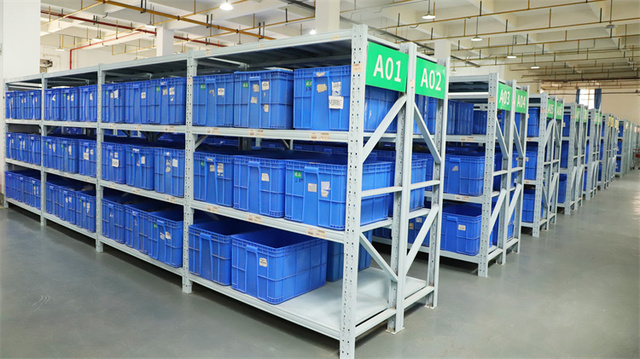
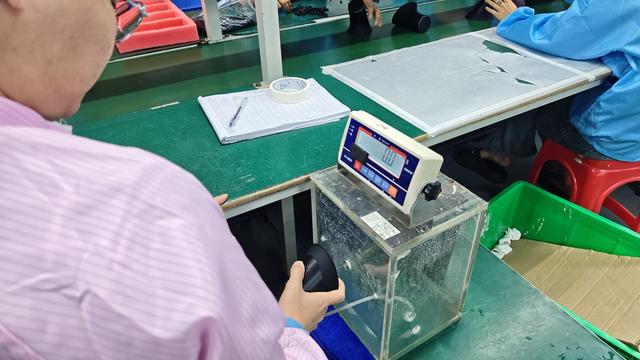
- Strict QC Workflows: Following a four-phase quality inspection: Incoming Quality Control (IQC), In-Process Quality Control (IPQC), Final Quality Control (FQC), and Outgoing Quality Control (OQC).
- Raw Material Traceability: We utilize certified sustainable timber (FSC certified) and virgin food-grade ABS resin, ensuring our partners in Chile receive durable, safe, and premium products.
4. Leveraging the TLC Chile-China (Free Trade Agreement)
One of the biggest financial advantages for Chilean buyers sourcing from Guangzhou OS Toys Co., Ltd. is the TLC Chile-China (Tratado de Libre Comercio). Under this agreement, the vast majority of toy classifications (specifically HS Code 9503.00) qualify for 0% custom duties (Arancel Cero) at Chilean Customs.
To unlock these duty-free rates, we supply our Chilean clients with a valid **Certificate of Origin (Formulario F)** along with the Commercial Invoice, Packing List, and Bill of Lading (B/L). This drastically lowers the Total Cost of Ownership (TCO) compared to imports from non-treaty nations, allowing our distributors to achieve healthy gross margins.
5. Future Trends: AI and Digital Integration in Tactile Play
The toy sector is undergoing a quiet revolution where physical components interface with digital feedback loops. Products like the *LCD dual-screen tablet* and *DIY robotics kits* highlight a growing trend: hybrid play. As screens become ubiquitous, tactile toys that introduce principles of programming, mechanical leverage, and architectural geometry are capturing market share.
In Chile, where technological literacy is highly valued, schools are actively upgrading their resource centers with smart educational materials. Our development pipeline incorporates clean interactive materials that encourage spatial thinking, logic, and motor precision, making our products future-proof investments for Chilean retailers.