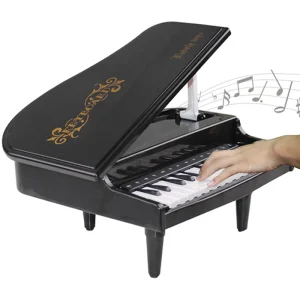
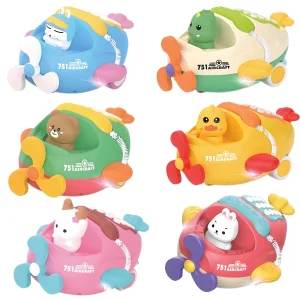
Engineered to support rigorous cognitive building, spatial coordination, and acoustic stimulation. These four core models serve as foundational resources for European educational frameworks.
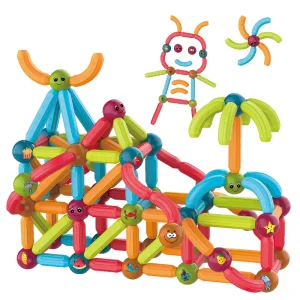
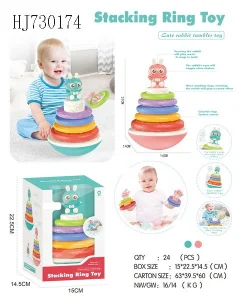
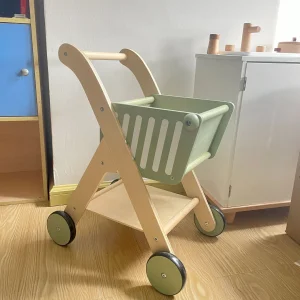
Italy holds a prestigious, foundational status in the global history of child education. As the birthplace of the world-renowned Montessori Method established by Dr. Maria Montessori in the early 20th century, the Italian domestic market and educational framework place paramount importance on tactile, open-ended, and self-directed sensory toys.
Today, the Italian developmental learning toys sector is undergoing a profound industrial transition. Driven by the modern European demands of the "Piano Scuola 4.0" initiatives and an increasing parental awareness of cognitive developmental health, Italian toy brands, educational institutions (Scuole dell'infanzia), and specialized child therapy clinics require supply partnerships that align premium educational designs with high-precision manufacturing.
While the cultural heritage in Italy favors pure wooden designs, modern pedagogies require a hybrid integration of tactile woods, soft-touch medical-grade silicones, and non-intrusive sensory electronics. Local Italian toy makers often struggle to scale their production to meet commercial pricing models. Hence, establishing reliable links with high-capacity OEM/ODM manufacturers like Guangzhou OS Toys Co., Ltd. is essential for keeping up with market scale without diluting educational efficacy.
Importers and distributors located in critical logistics nodes such as Milan, Genoa, Trieste, and Naples face complex compliance grids under the European Toy Safety Directive (EN71 parts 1, 2, and 3). Additionally, regional sourcing preferences show that contemporary Italian consumers favor toys designed with subtle color palettes (pastels and natural wood textures) that easily merge with the modern aesthetic of Italian households, deviating significantly from the high-saturation plastics of the early 2000s.
Mapping the macro shifts in childhood cognitive development toys across North America, the European Union, and East Asia.
According to recent market intelligence reports, the global toy market is increasingly bifurcating. While traditional entertainment toys exhibit stable single-digit growth, the Developmental and Learning Toy sector is maintaining a double-digit compound annual growth rate (CAGR). This shift is primarily fueled by structural adjustments in parenting styles and preschool curricula:
Global consumers are actively rejecting non-recyclable plastics. The focus has pivoted toward renewable wood materials, sensory fabrics, and high-safety food-grade polymers. For manufacturers, this demands advanced supply chain visibility and strict material testing protocols.
A growing concern among child health practitioners is excessive screen time. The future lies in physical STEM tools that incorporate digital logic—such as interactive sound boards, tactile music simulators, and pattern projection blocks—which engage a child's spatial reasoning and critical logic without the use of blue-light emitting displays.
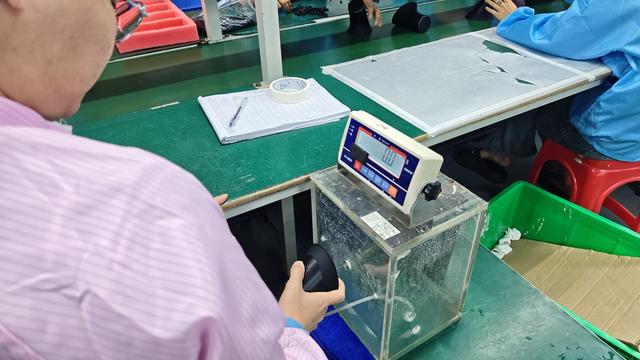
At the heart of high-quality developmental toy manufacturing lies material safety and engineering precision. Whether producing magnetic building systems, complex multi-sided activity cubes, or heavy wooden hammer benches, quality control requires a methodical testing cycle.
Our manufacturing processes follow a rigorous framework designed to exceed EU and international standards:
EN71-1: Physical and Mechanical Properties Testing.
EN71-2: Flammability Testing to ensure self-extinguishing safety.
EN71-3: Migration of Certain Elements (heavy metal migration prevention).
CE Conformity: Self-Declaration of Conformity for all European Free Trade Areas.
FSC Wood: Certified trace forestry management.
Understanding where and how developmental toys are implemented by B2B buyers in the Italian market.
Toys like Montessori sorting rings and multi-activity cubes are heavily utilized in Northern Italian nurseries. These physical items build foundational hand-eye coordination, pattern recognition, and group sharing paradigms during peer-play sessions.
Children experiencing developmental delays or neurodivergent profiles (such as ADHD or ASD) benefit from sensory shape sorters, tactile magnetic sticks, and fine-motor dinosaurs. Therapists utilize these instruments to practice task concentration and cognitive processing.
With urban apartments in Rome, Florence, and Milan prioritizing space efficiency, parents opt for comprehensive multi-functional developmental centers (like modular cubes or developmental walkers) that consolidate up to five independent play systems into a single footprint.
Bridging precision manufacturing with pedagogical innovation to support Italian and global brands.
Guangzhou OS Toys Co., Ltd. is a professional educational toy manufacturer specializing in STEM toys, Montessori learning products, early learning toys, and comprehensive child development solutions for global markets. With a deep commitment to innovation, safety, and core educational value, we supply an extensive catalog of products engineered to support cognitive, physical, emotional, and social development.
Our product portfolio spans STEM educational structures, wooden developmental devices, sensory shape sorting cubes, language-learning devices, classroom-level teaching resources, and customized school solutions. By encouraging critical logical development, motor skill refinement, and active problem-solving, our products empower children worldwide to explore their potentials through engaging, structured play.
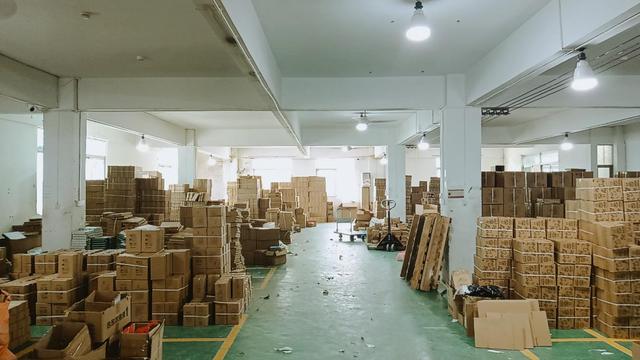
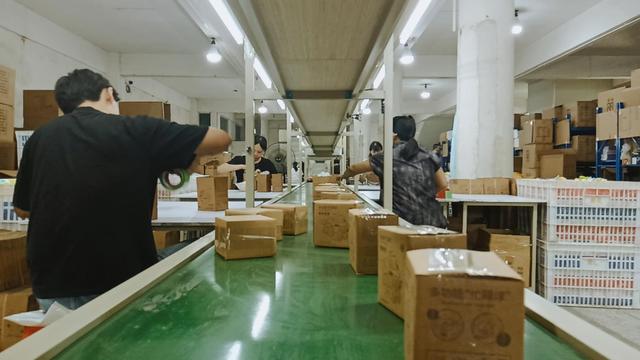
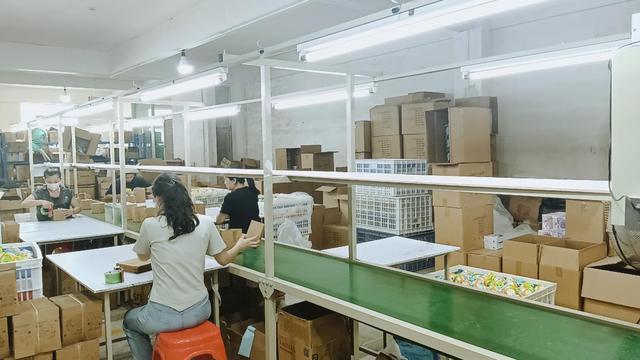
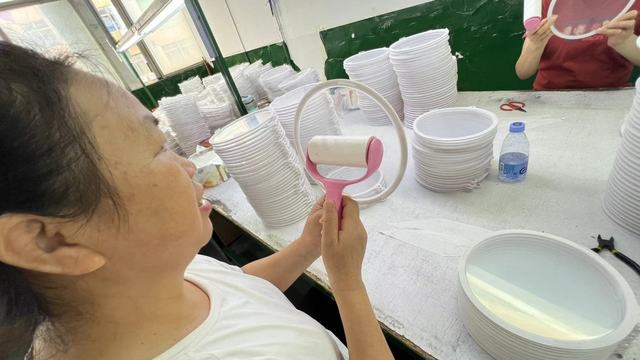
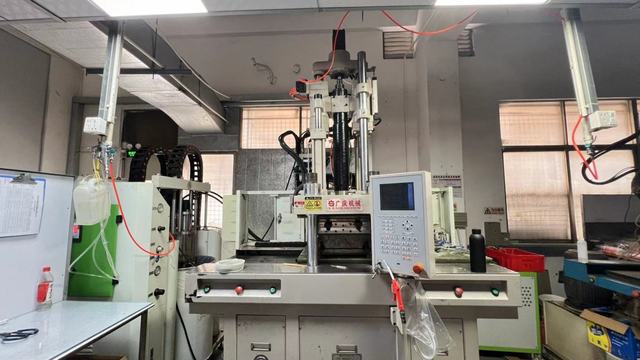
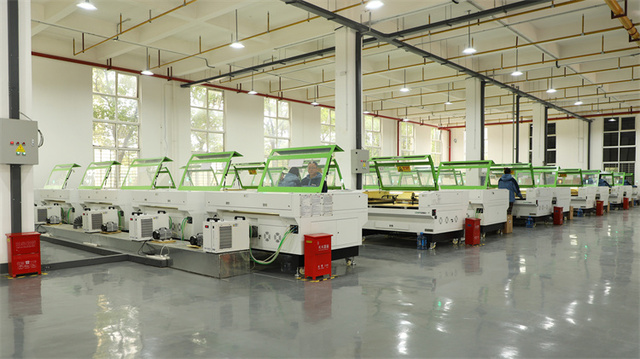
At Guangzhou OS Toys Co., Ltd., quality represents our fundamental industrial pillars. We operate advanced injection molding machinery, automated woodworking stations, and precision testing labs. Our experienced design team explores global developmental theories and consumer trends to regularly launch safety-certified products that address the sophisticated demands of modern parents, educational retailers, and professional institutional distributors.
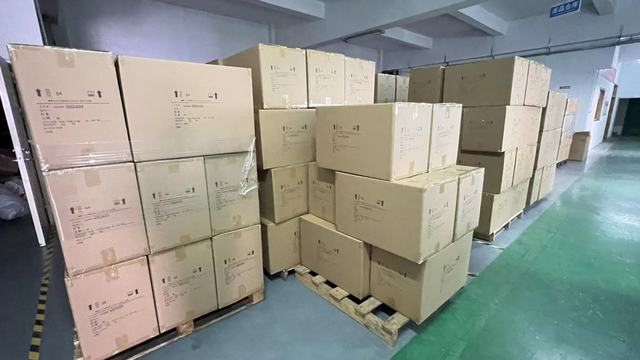
Currently serving key clients in North America, Western Europe, Southeast Asia, and the Mediterranean, we have forged stable, long-term trade relations. We offer versatile OEM and ODM solutions to support your private labeling needs, packaging designs, and distinct regional specifications.
Explore our full array of learning products, engineered for cognitive, musical, fine-motor, and logical development.
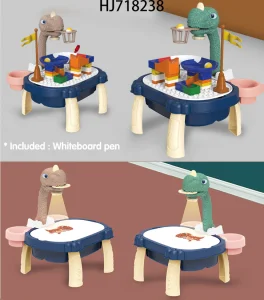
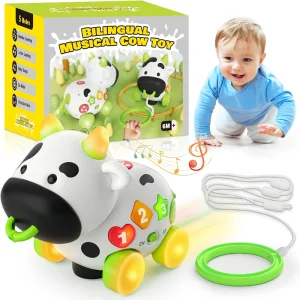
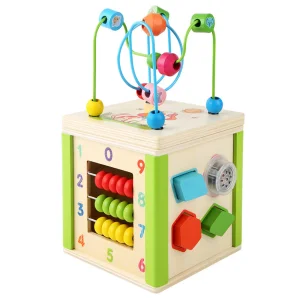
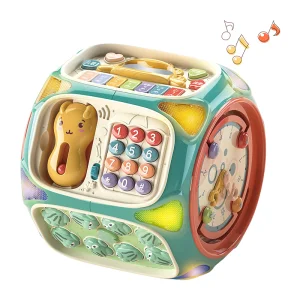
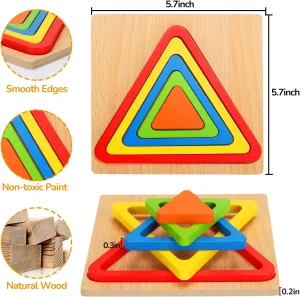
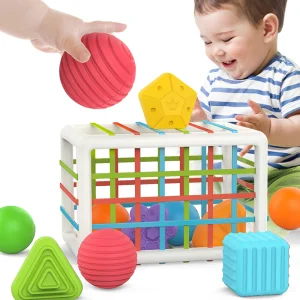
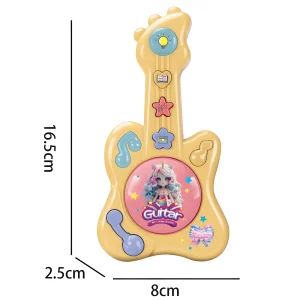
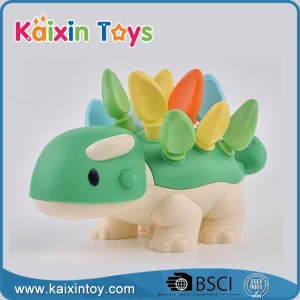
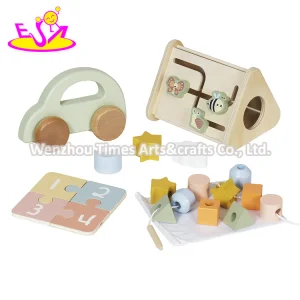
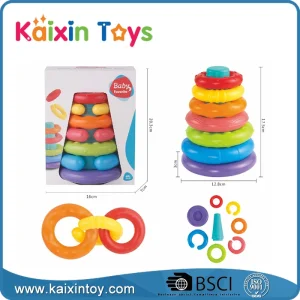
Answers to critical questions regarding safety, certification, logistics, and ODM custom designs for the European markets.
We ensure all educational toys exported to Italy comply with the European Toy Safety Directive. We issue CE certificates alongside EN71 (Parts 1, 2, 3) test reports and RoHS compliance where electronic components are involved. Our materials undergo rigorous heavy-metal extraction, flammability, and physical tensile testing.
Yes. We offer fully integrated OEM/ODM capabilities. This includes modifying wood finishes, color configurations (such as specific modern European pastel color tones), adding localized Italian packaging, user manuals (in Italian), and debossing brand logos directly onto the product bodies.
Standard OEM production takes 30 to 45 days, depending on batch volumes and custom requirements. Shipping to major Italian maritime ports (such as Genoa, La Spezia, Naples, and Trieste) generally spans 30 to 35 days via sea cargo, or 12 to 15 days via air freight for express restocking.
Our research and development team collaborates closely with child development psychologists, early educators, and pediatric movement specialists. Every shape sorter, stacking rung, or music controller is scaled to optimize specific childhood growth metrics—such as grasp strength, tonal distinction, spatial rotation, and basic physical logic.
Establish a reliable, high-capacity, and safety-certified supply line. Request direct OEM catalog price guides and certification documentation from our engineering team.
 OS Toys