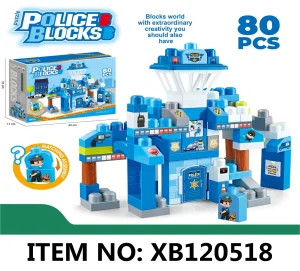
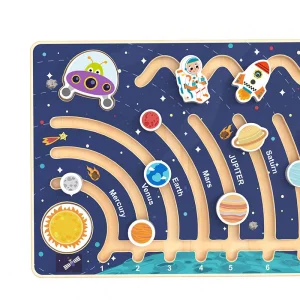
High-demand educational models recommended for Indonesian schools, training facilities, and early development centers.
Over the last decade, Southeast Asia's largest economy, Indonesia, has embarked on a radical transformation of its national educational landscape. Led by the Ministry of Education, Culture, Research, and Technology (Kemendikbudristek), the transition to the **Kurikulum Merdeka** (Independent Curriculum) highlights the critical role of interactive, project-based learning. In this context, **Science Education Toys and STEM learning materials** have shifted from optional recreational assets to fundamental learning tools necessary for public (SD, SMP, SMA) and private SPK (Satuan Pendidikan Kerjasama) institutions.
"Scientific literacy and hands-on laboratory experiences are the bedrocks of Indonesia's Vision 2045 (Indonesia Emas). Building these competencies requires structured, highly interactive, and safe cognitive equipment that scales from Kindergarten to Secondary schools."
With a student population exceeding 50 million, Indonesia exhibits a profound spatial distribution of demand. Urban epicenters such as **Jakarta, Surabaya, Bandung, and Medan** showcase rapid adoption of high-tech Montessori and STEM curricula. Concurrently, regional school administrations rely on budget-friendly, highly durable science kits to bridge the gap in laboratory resources. This dichotomy creates a complex market requirement: high-end, safety-certified toys for the private segment, and durable, cost-effective bulk supplies for government-sponsored tenders (BOS - Bantuan Operasional Sekolah funds).
Local production within Indonesia remains heavily focused on traditional wooden toys and basic plastic designs. High-precision manufacturing, especially involving custom PCBs, chemical reaction kits, and biomechanical models, presents a gap that only experienced international suppliers can satisfy. This is where the supply chain infrastructure of a trusted China educational toy manufacturer provides unmatched support.
As a leading China educational toy manufacturer, Guangzhou OS Toys Co., Ltd. bridges the gap between pedagogy and scalable manufacturing. Sourcing from our Guangzhou base delivers tangible competitive benefits to Indonesian importers, educational distributors, and government procurement agencies:
Strategic Logistics: The maritime route from the Port of Guangzhou to Tanjung Priok (Jakarta) or Tanjung Perak (Surabaya) offers competitive freight rates, ensuring prompt seasonal inventory replenishment for the new school terms (usually beginning in July in Indonesia).
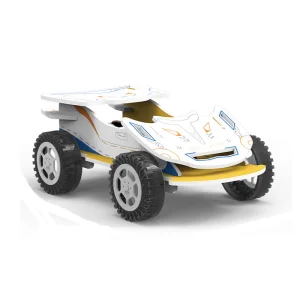
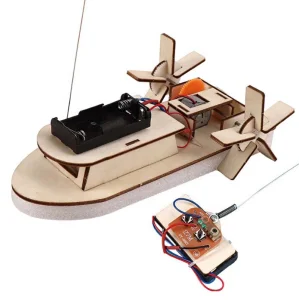
Case study implementations featuring high-durability anatomical, engineering, and logic-based classroom aids.
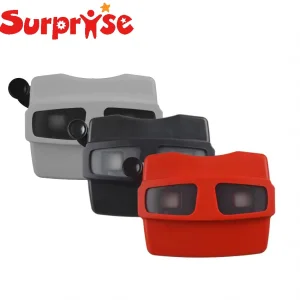
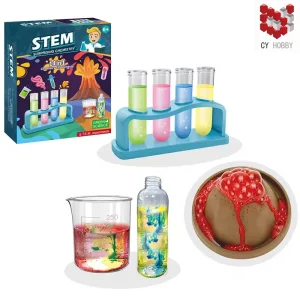
Developing effective educational materials is not merely a matter of molding plastics or cutting wood. It requires a profound understanding of child developmental psychology, spatial cognitive mapping, and tactile learning feedback. At Guangzhou OS Toys Co., Ltd., our R&D pipeline is guided by structural pedagogical guidelines. From the angle of a gear ratio in our mechanical kits to the chemical composition of safe reagents in our chemistry sets, every element is designed to minimize cognitive load while maximizing self-guided exploration.
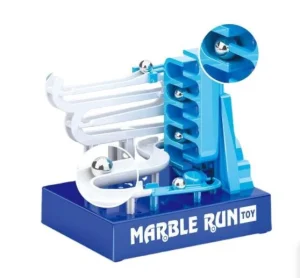
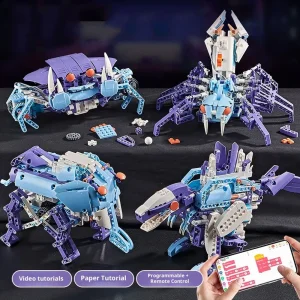
Building blocks, gear assemblies, and maze tracks promote spatial reasoning, mechanical foresight, and logical deduction. When Indonesian schools introduce products like our *Rotating Gear Building Block Sets* or *DIY Ball Track Maze Toys*, they provide students with foundational mechanical principles. These activities teach children to predict reactions, balance structural constraints, and understand physical concepts such as inertia, centripetal force, and acceleration without dry textbooks.
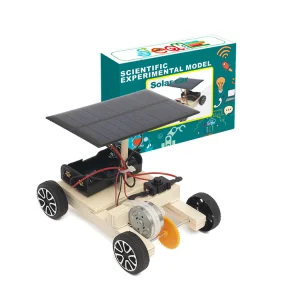
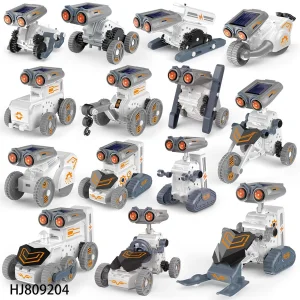
Indonesia's national push towards carbon neutrality and solar grid installations highlights the value of teaching renewable energy from a young age. By utilizing items like the *Wooden Electric Solar Car Toys*, students observe the conversion of photovoltaic energy into kinetic energy firsthand. The hands-on assembly of miniature solar panels and motor drives bridges the gap between abstract physics terms and practical real-world applications.
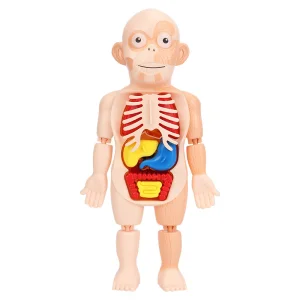
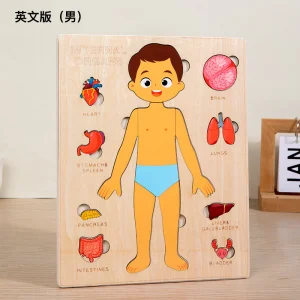
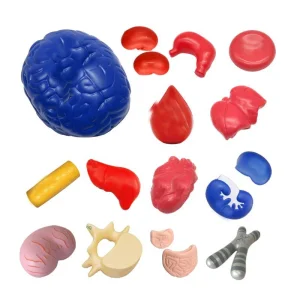
Modern classrooms require accurate, high-fidelity anatomical references. Many imported biological models are expensive and fragile. By utilizing medical-grade, non-toxic PVC, our *Human Organ Anatomy Models* provide classroom-safe, drop-resistant, and highly detailed tools. They support the curriculum goals of Indonesian middle schools by offering an interactive way to explore human biology, organ systems, and skeletal structures.
We recognize that localized context is key. Indonesian clients can utilize our extensive design services to adapt instructions, box designs, and interactive elements. Our design team can print dual-language instruction booklets (English & Bahasa Indonesia) and align product themes with local landmarks or historical narratives to foster cultural familiarity. This helps local brands and educational agencies launch targeted initiatives with minimal setup costs.
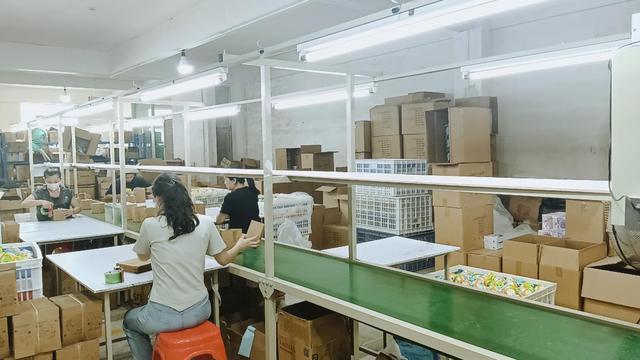
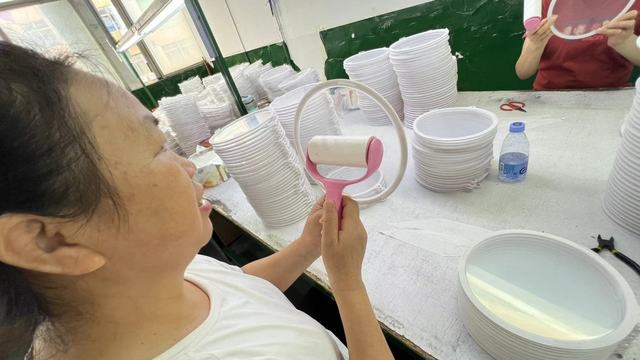
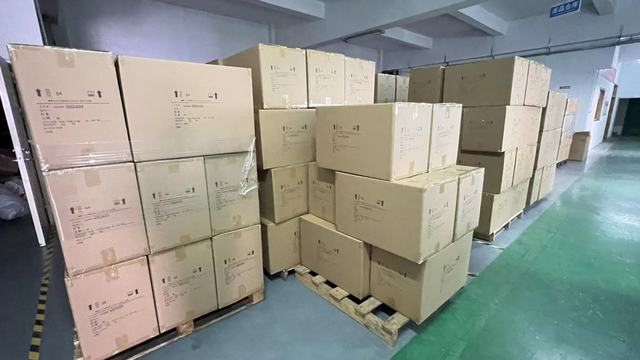
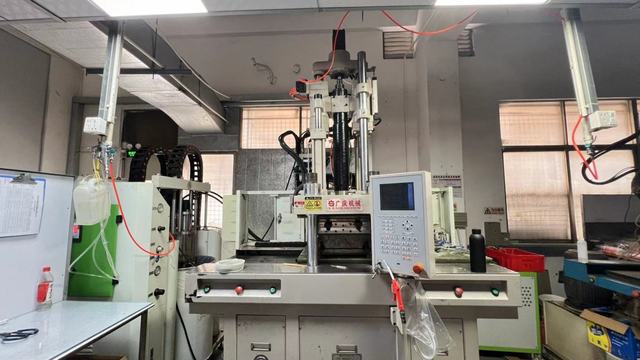
Explore our state-of-the-art facility featuring automated plastic injection, assembly lines, and rigorous laboratory safety testing rooms.
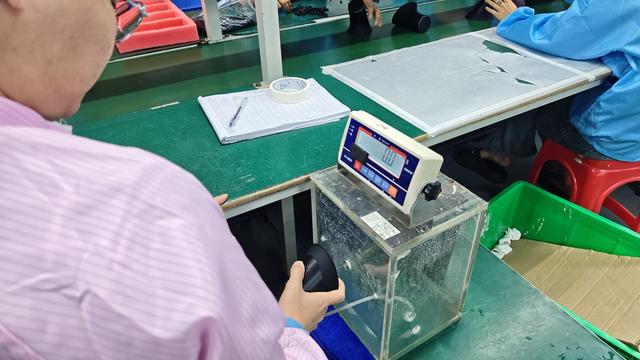
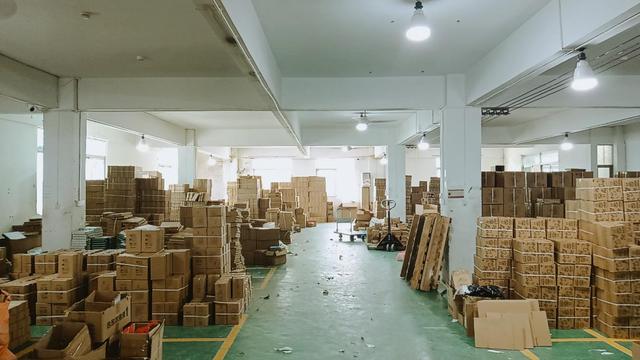
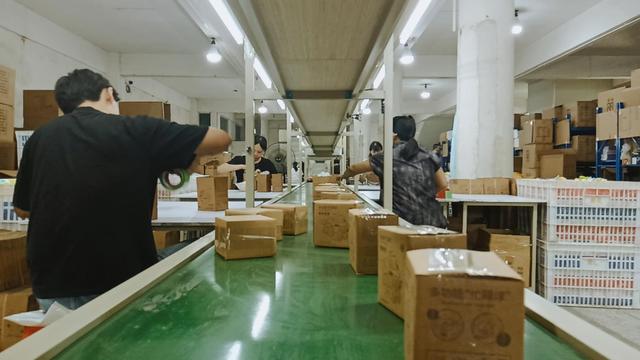
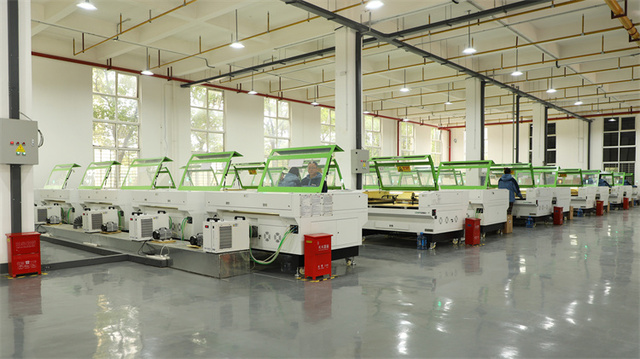
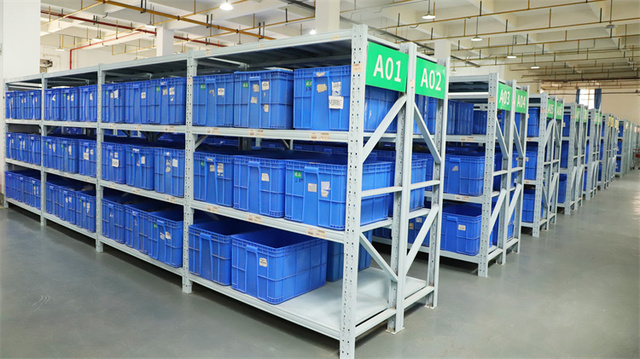
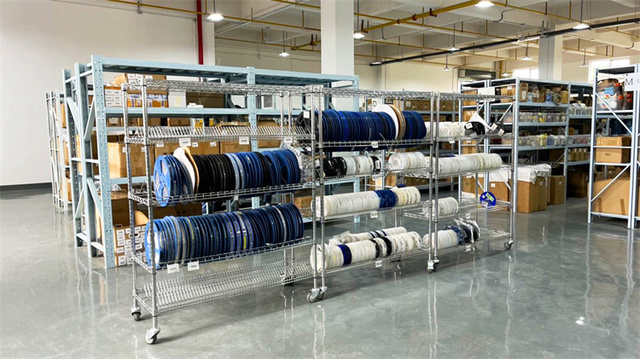
Key information regarding regulations, SNI certification, wholesale logistics, and customs for importing science toys to Indonesia.
Expand your curriculum options with our specialized range of cognitive puzzle games, physics assembly kits, and early education tools.
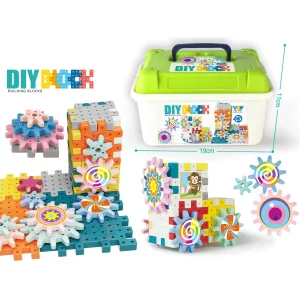
 OS Toys