Premium tactile, visual, and fine-motor development kits engineered in accordance with global quality benchmarks.
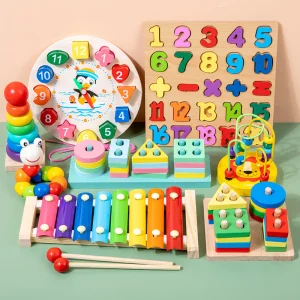
An authoritative analysis of spatial constraints, neurological requirements, and modern manufacturing paradigms in metropolitan toy supply chains.
In highly urbanized zones such as Minato, Shibuya, and Shinjuku, child development models have adapted to unique spatial profiles. With average apartment footprints in Tokyo trending smaller than their Western counterparts, regional demand is concentrated on multi-functional, modular, and space-saving toys. Sensory development boards must fit compact play areas without sacrificing cognitive density.
Furthermore, Tokyo's preschool system (Ninka Hoikuen) places extreme emphasis on tactile intelligence, coordination, and cooperative play. Toys are expected to be quiet, easily sterilizable, and constructed from sustainably sourced materials. This convergence of cultural expectations and physical boundaries requires sensory toys to be compact, high-utility, and safe.
Our designated product line features non-toxic water-based finishes, smooth radius corners, and secure battery compartments to pass the rigorous food-contact tests of Japan's Ministry of Health, Labour and Welfare (MHLW).
Worldwide, early education models are transitioning away from passive screen-based entertainment back to open-ended sensory play. Modern research in pediatric neurology indicates that tactile, visual, and proprioceptive stimulation during the critical developmental window (0–6 years) directly impacts synaptic pruning and cognitive resilience.
This global resurgence in sensory play is supported by the adoption of Montessori and STEM-based curricula in public and private education sectors. High-quality sensory tools are no longer viewed simply as recreational items, but as essential developmental aids. Consequently, international buyers seek manufacturers that offer both structural durability and precise developmental utility.
Guangzhou OS Toys Co., Ltd. is a professional China educational toy manufacturer specializing in STEM toys, Montessori learning products, early learning toys, and child development solutions for global markets. By integrating our operations in the Pearl River Delta industrial hub, we achieve manufacturing efficiencies that lower production costs while maintaining high quality standards.
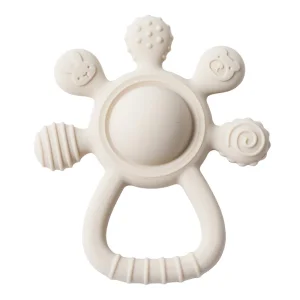
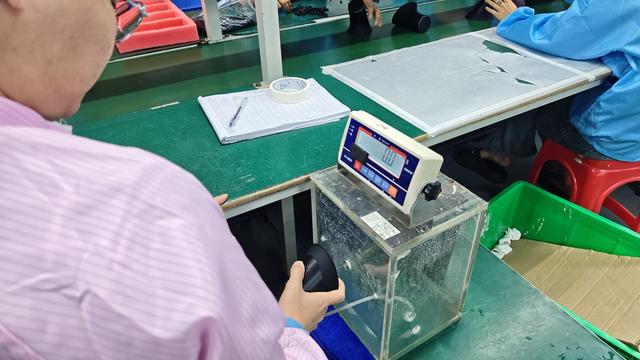
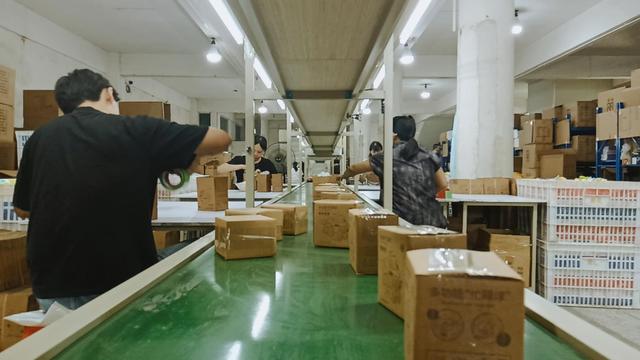
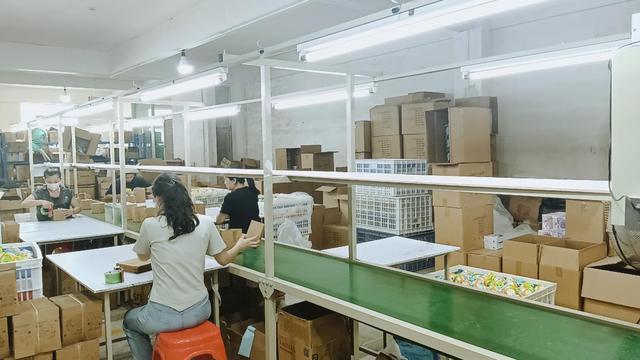
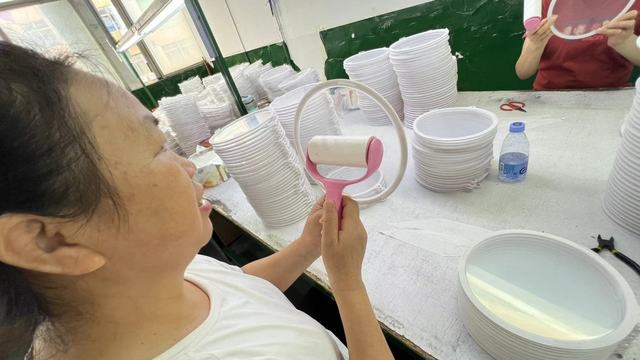
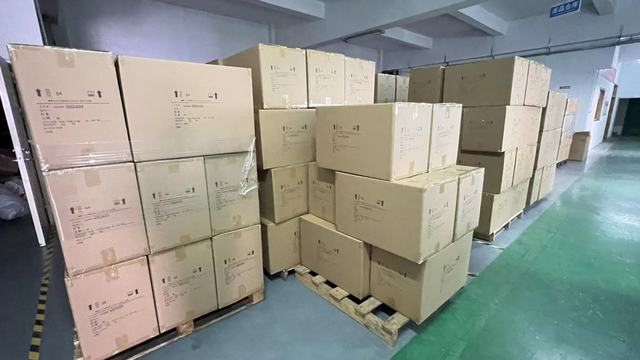
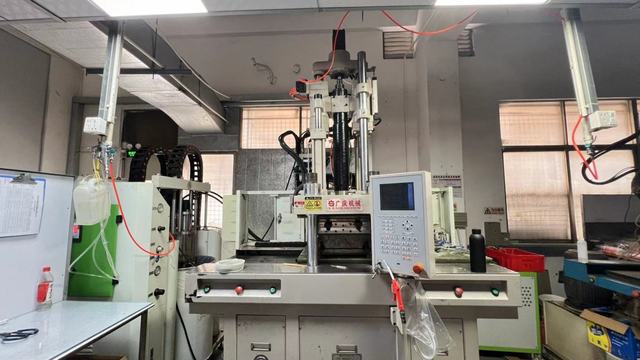
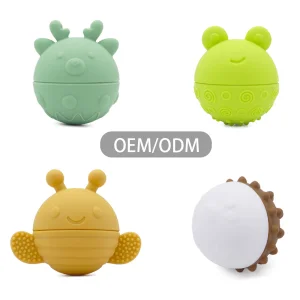
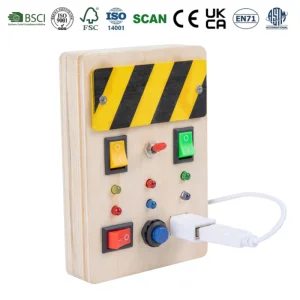
Our facility features high-precision CNC woodworking machines, dust-free food-grade silicone injection lines, and automated packaging units. Our engineers verify that each component—from LED switches to silicone teething surfaces—meets rigorous tension, torque, and chemical safety standards before shipping.
Serving customers across North America, Europe, Southeast Asia, the Middle East, and other international markets, we have established long-term partnerships through reliable product quality, flexible manufacturing capabilities, and responsive customer service. We also provide OEM and ODM solutions to support private label brands and customized educational toy projects.
Every batch of raw silicone, ABS resin, and natural plywood is backed by compliance reports (CE, EN71, ASTM, and MHLW testing protocols) ensuring absolute safety for infant oral contact.
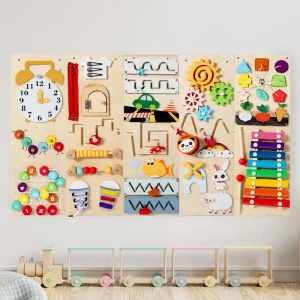
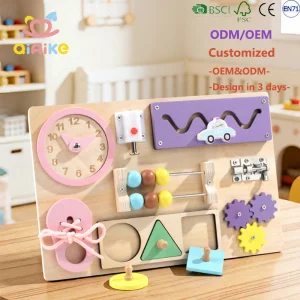
In high-end nurseries in Minato-ku and Setagaya-ku, teachers integrate our compact Montessori busy boards into quiet-time study corners. The quiet operation of our switches helps manage classroom sound levels.
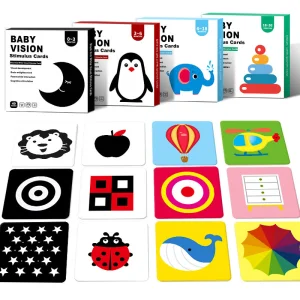
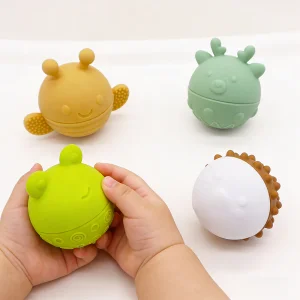
For busy parents in Tokyo, our lightweight silicone teething systems and visual cards are designed for travel on public transit, offering screen-free engagement during train commutes. This localized utility makes our product portfolio highly relevant to the lifestyle patterns of urban families.
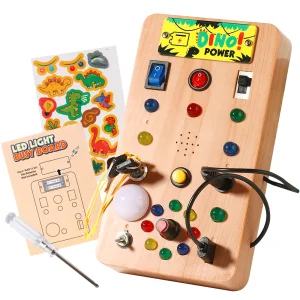
The future of sensory play lies in combining physical tactility with subtle feedback systems. We are currently developing hybrid designs that use low-consumption LED circuits to teach basic logic, cause-and-effect relationships, and physical mechanics.
On the sustainability front, our R&D team is introducing bio-composite plastics and FSC-certified woods to meet the strict carbon-neutral targets of many corporate buyers and public education institutions in Tokyo.
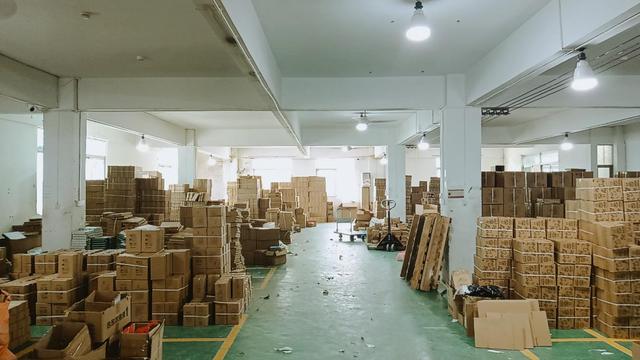
Inside Guangzhou OS Toys Co., Ltd.: Modern production, dust-free assembly, and strict quality control pipelines.
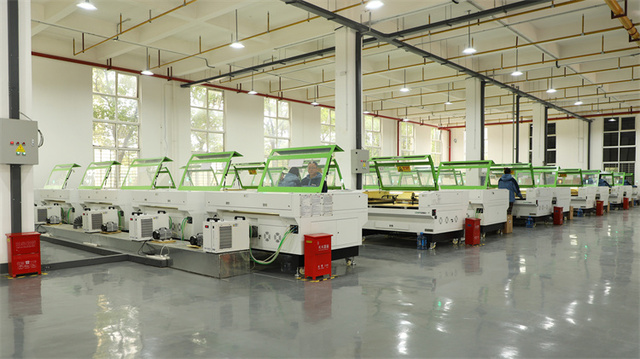
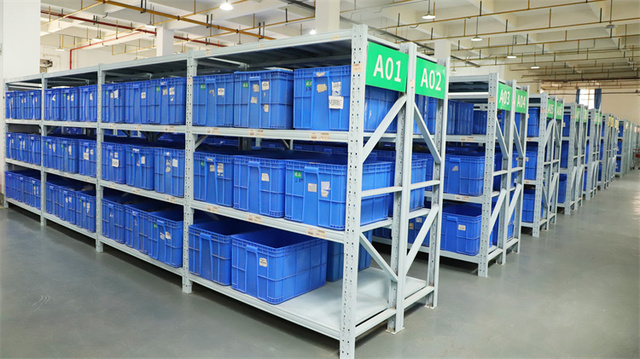
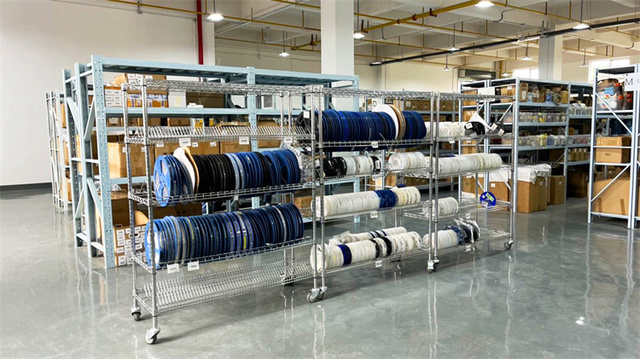
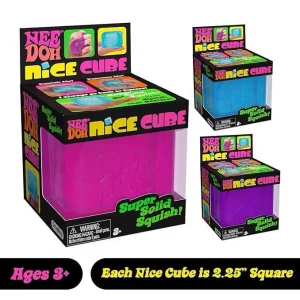
A comprehensive selection of sensory devices ready for wholesale distribution and custom modifications.
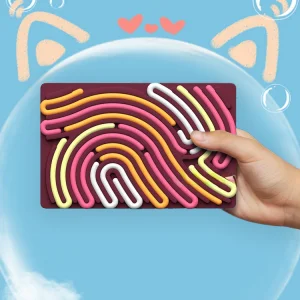
Answering key regulatory, logistical, and custom-manufacturing questions for Japanese importing corporations.
 OS Toys