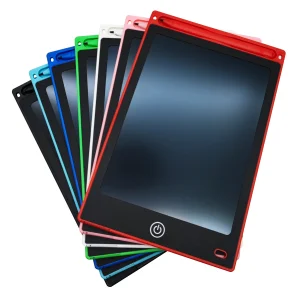
Tailored to comply with Indian school curriculum structures and early sensory training objectives.
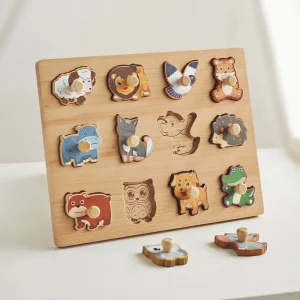
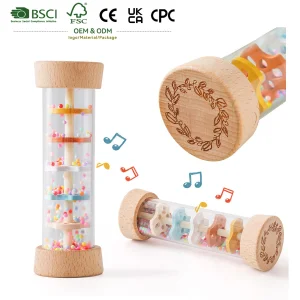
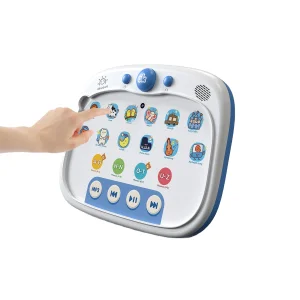
The toy market in India is experiencing an unprecedented structural transformation. Historically dominated by unorganized local manufacturing and plastic imports, the market is rapidly pivoting toward high-quality, durable, and sustainable wooden toys. Driven by the Government of India’s **National Education Policy (NEP) 2020**, which mandates play-based and experiential learning in early childhood education (ECE), toys are no longer viewed merely as playthings but as essential cognitive development tools.
India’s domestic market demand is concentrated heavily in Tier 1 and Tier 2 cities like Mumbai, Bengaluru, Delhi NCR, Pune, and Hyderabad, where disposable income is rising and parents are actively seeking alternatives to screen time. However, local production faces significant scalability challenges. Traditional Indian wooden toy clusters, such as *Channapatna* in Karnataka, *Kondapalli* in Andhra Pradesh, and *Varanasi* in Uttar Pradesh, rely on legacy artisanal handcrafting methods. While culturally rich, these clusters cannot support the high-volume, standardized requirements of large retail chains, preschool chains, and institutional buyers.
"The gap between legacy artisanal production capacities in India and the skyrocketing demand for standardized, certified-safe educational woodcraft is bridging the path for strategic import partnerships."
Consequently, global sourcing managers and Indian distributors are looking for manufacturers who can combine the cost efficiency of high-scale industrial manufacturing with strict adherence to local compliance norms, such as the Bureau of Indian Standards (BIS) certifications.
The Indian educational toy sector is projected to maintain a double-digit growth trajectory, outperforming standard toy segments due to parental willingness to pay a premium for child development solutions.
All toys imported or sold in India must conform to IS 9873 standards and bear the ISI mark, requiring overseas manufacturers to have rigorous testing setups and factory audits.
International brands in North America, Europe, and the Middle East are phasing out single-use plastics. Wooden toys represent circular economy principles, capturing the ESG-oriented buyer segment.
 OS Toys