In the modern landscape of child development, the demand for sustainable, high-durability, and educational wooden play products has experienced exponential growth. Global educational institutions, retail groups, and specialist distributors are shifting focus away from transient synthetic toys toward raw, high-tactility materials. Under the guidance of Guangzhou OS Toys Co., Ltd., custom wooden play manufacturing has evolved from simple carpentry to a high-technology engineering pipeline. This document acts as an industry whitepaper, detailing the structural roadmap, supply chain logistics, and engineering benchmarks required for cross-border wooden product procurement.
Educational psychology demonstrates that natural materials stimulate sensory systems far more effectively than plastics. For B2B buyers, importing customized wooden toys requires finding a strategic partner with an established raw material supply, structural engineering capacity, and stringent compliance processes. Guangzhou OS Toys Co., Ltd. fills this gap. We combine traditional craftsmanship with computerized manufacturing to supply STEM, Montessori, and sensory toys globally.
Our manufacturing capacity spans raw material selection (European Beech, Maple, Russian Birch, and Eco-MDF), precision kiln drying, CNC processing, dust-free paint rooms, and strict compliance checking. Our engineering capabilities enable us to translate complex designs into highly durable physical products, keeping brands competitive in North America, Europe, Southeast Asia, and the Middle East.
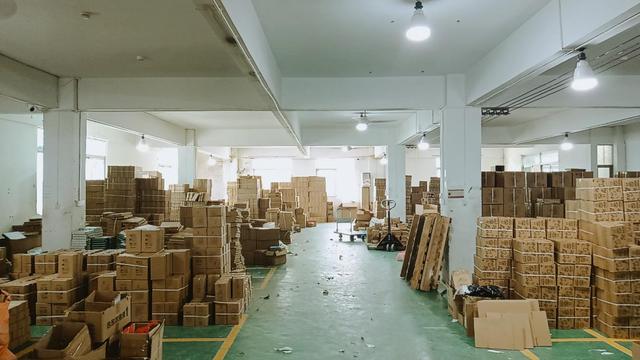
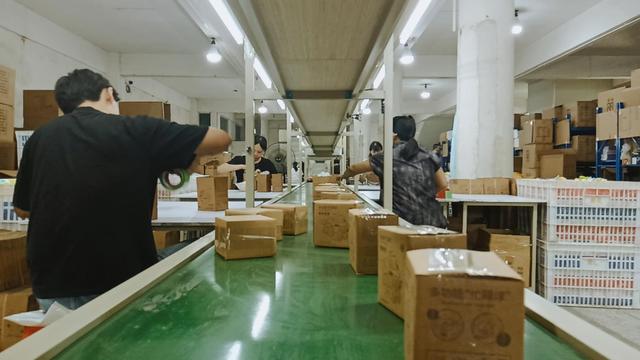
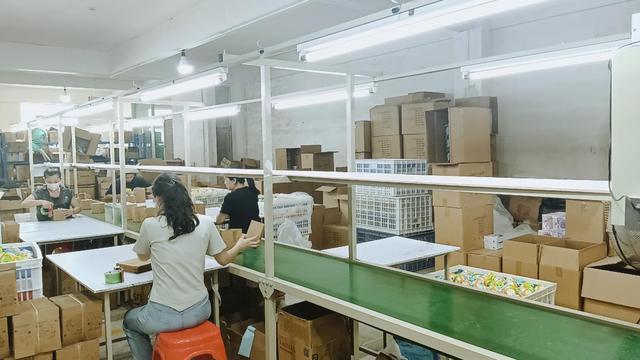
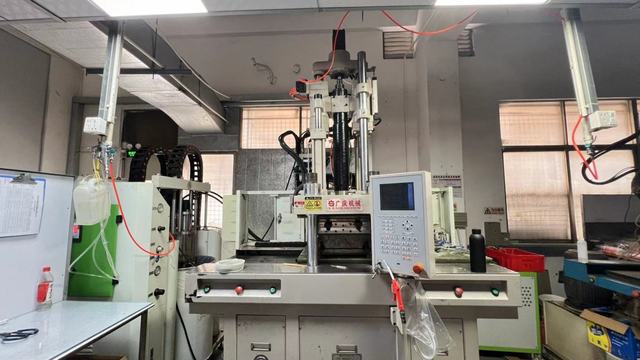
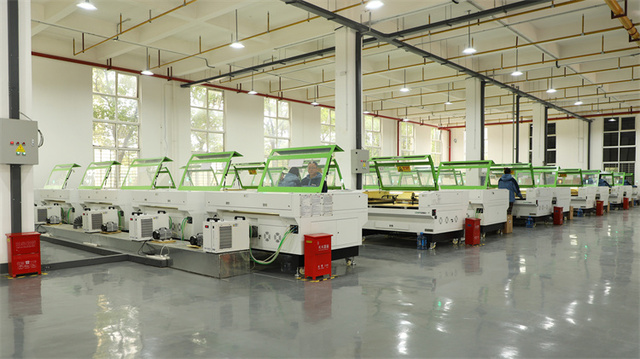
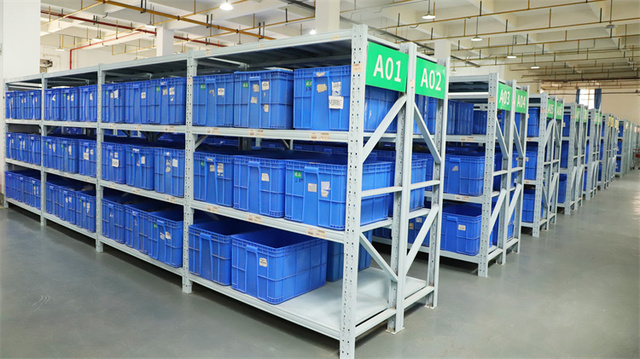
Guangzhou OS Toys Co., Ltd. operates on a digital Factory 4.0 framework designed to minimize production errors and reduce raw material waste. Unlike traditional toy manufacturers, we use computerized inventory management and modern CNC routing machinery to coordinate custom production runs efficiently.
The production process starts with wood conditioning. Raw timber undergoes controlled kiln drying to achieve a stable internal moisture level of 10% to 12%. This range is critical to prevent the toys from expanding, contracting, or cracking when exposed to varying international climates. Once conditioned, the wood is cut using multi-axis CNC machines to maintain tight dimensional tolerances, which is especially important for complex STEM building sets.
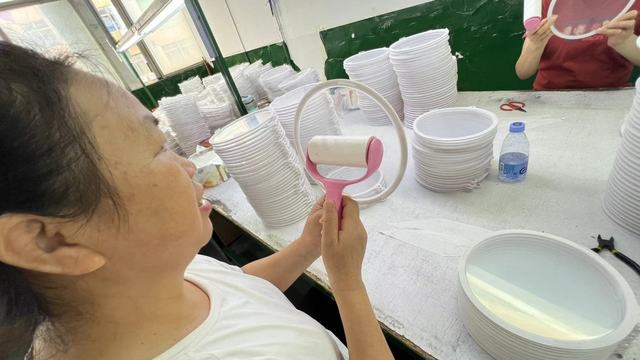
After routing, every wooden piece goes through multiple stages of mechanical and hand sanding to eliminate rough edges and splinters. We apply waterborne, non-toxic coatings using custom spraying systems to ensure consistent color depth across all batches. Finished parts then undergo quality checks to confirm compliance with chemical safety limits.
Procuring wooden toys for international markets requires strict adherence to safety standards. Every country has distinct rules regarding chemical compositions, physical hazards, and sourcing documentation.
Under the US Consumer Product Safety Improvement Act (CPSIA) and European Toy Safety Directive (EN71), testing parameters go far beyond visual inspections. Heavy metal migration, phthalate content, flammability, and mechanical hazards must be certified by accredited third-party laboratories.
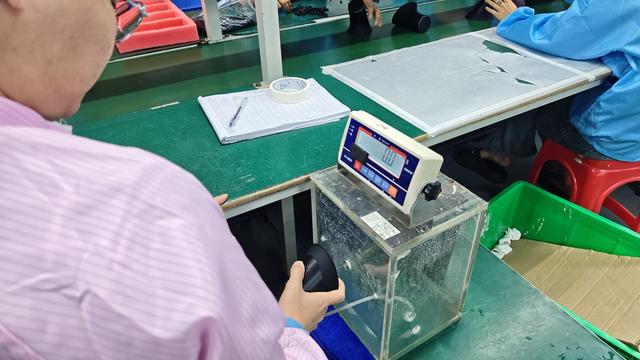
At Guangzhou OS Toys Co., Ltd., we test products at every stage of production. From testing incoming logs for moisture and pests to inspecting finished items for mechanical strength, we ensure our toys stand up to heavy institutional use. We provide complete chemical and physical test reports for EN71 and ASTM compliance with each batch.
Modern educational models rely on open-ended play materials to support cognitive development. Montessori classrooms, early learning centers, and sensory integration therapists use wooden tools because they provide consistent weights, textures, and structural feedback.
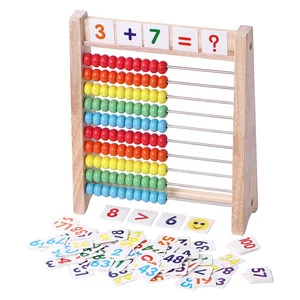
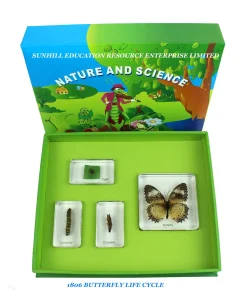
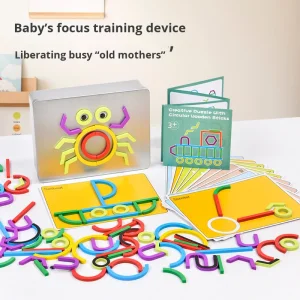
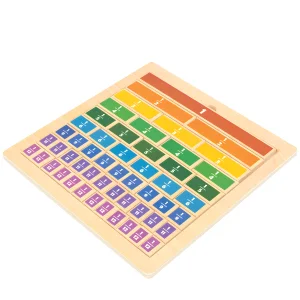
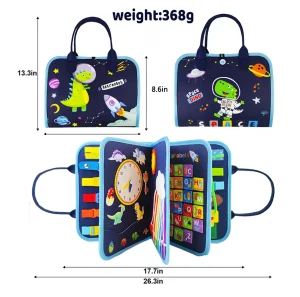
Our customizable wooden line includes items like math calculation abacuses, fraction tiles, balance blocks, busy boards, and classroom specimens. We collaborate with child development experts to design toys that target specific developmental milestones:
We optimize our packaging and configurations for institutional distribution, providing bulk storage trays, canvas organizers, and classroom-ready sets to simplify setup and cleanup.
The wooden toy industry is changing. We are actively researching ways to combine traditional wood with clean interactive elements. Our future product roadmap includes:
By combining classic wood durability with smart tracking, we help our partners provide modern educational materials that meet current digital learning demands.
Our standard MOQ for custom OEM wooden products ranges from 500 to 1,000 units per SKU, depending on design complexity, raw materials, and packaging requirements. For existing designs or open-tooling options, we can accommodate lower quantities to support new product launches.
We typically recommend European Beech and Russian Birch plywood for educational toys due to their high density, low splintering risk, and clean wood grain. Pine and Rubberwood are popular, cost-effective options for larger structural blocks.
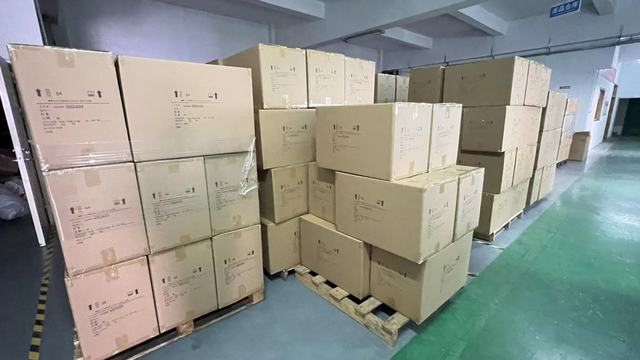
We use computerized kiln-drying chambers to keep internal moisture levels between 10% and 12%. We also monitor humidity in our packaging facilities and use silica gel desiccant packs in our export cartons to prevent mold and warping during ocean transit.
Yes. We support custom branding using laser engraving, silk-screen printing, and heat transfer printing. We can also modify dimensions, product shapes, and packaging structures to match your brand specifications.
We provide testing certificates from accredited third-party labs (such as SGS, TUV, or Intertek). These reports verify compliance with EN71 (Europe), ASTM F963 (US), AS/NZS ISO 8124 (Australia/New Zealand), and CPSIA standards.
Creating a custom prototype takes 7 to 15 days, depending on geometry and finish. Bulk production generally requires 35 to 45 days after deposit confirmation, depending on order size and factory scheduling.
 OS Toys